|
|
Last
Modified on
Mar 17, 2026
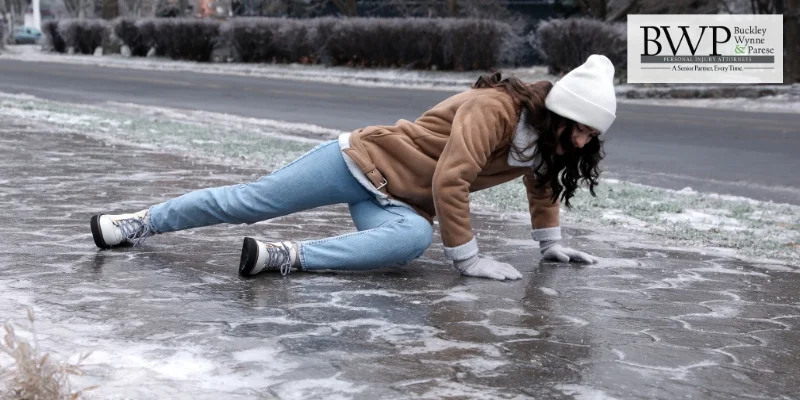
Connecticut is well-known for its cold winters. This can mean plenty of snow and ice, which pose a serious safety risk. One slip on a sidewalk or in a parking lot can leave you injured. Even what seems like a minor fall can result in serious harm, including mobility problems, mounting medical bills, and many lifestyle challenges. If you slip and fall on ice in Connecticut, it’s important to know your legal rights.
Many people assume the threat of dangerous weather is simply a risk you expect in a place like Connecticut. However, depending on the location, it’s possible that someone may be accountable for the harm you suffered. Property owners are expected to exercise a reasonable degree of preventive care, and if they fail, you could have grounds for a premises liability case.
What Does the Law Say About Sidewalks and Parking Lots?
Many people are aware they can pursue legal action if they’re injured at a place of business, including a store, an apartment complex, or an airport. However, confusion often arises when it comes to locations like parking lots, sidewalks, and walkways. Connecticut law specifies that a premises is not exempt from accountability if it offers commercial services, or charges rent or fees to users.
This means that certain areas, like public parks and sidewalks, may not be covered. However, walkways and parking lots in places of business are covered by Connecticut premises liability laws. If you’re injured at one of these locations, you may be able to pursue compensation for your injuries with the help of a Connecticut premises liability attorney.
Why Connecticut Locations Are Risky for Slip and Fall Injuries?
Connecticut is known for its snowy and icy winters, which can create very slippery conditions. These conditions can be worsened if preventive action is not taken, such as when companies neglect to apply salt to at-risk areas or avoid scraping parking lots and sidewalks.
The presence of repeat foot traffic and even vehicle traffic can also exacerbate this problem at busy locations. Snow and slush can become compacted, and snow can be layered on top of unmelted ice, creating hidden hazards or surfaces of mixed consistencies. When property owners fail to act quickly, these conditions can develop and cause injuries.
Common Injuries Caused by Slip and Fall Accidents
Slipping and falling on snow and ice may seem like a common risk in winter. However, this can be a pivotal moment in a person’s life, causing injuries that change their life for years or decades. Common injuries sustained may include:
- Injuries to the arms and legs: Leg injuries are very common during falls, as a person may sprain an ankle, twist a knee, or tear a ligament when their legs or feet twist at odd angles on unstable ice. Those who try to catch themselves with their hands and arms may sustain injuries to these parts as well, such as muscle strains or fractures.
- Back and neck injuries: A sudden fall can cause back and neck injuries, which may lead to chronic pain and, in some cases, even paralysis. These symptoms and the ensuing mobility issues can also develop slowly after the impact. Some people even suffer damage to blood vessels during a neck injury, and this has caused fatalities in about 65% of people.
- Head and brain trauma: These are arguably the most serious injuries of all, as they can cause damage to a person’s core functions and personality. For example, many people with these injuries experience mobility problems, which can set them up for other issues. They can also cause personality changes, strained relationships, and mental health problems.
When you hire a Connecticut premises liability lawyer, they can help you seek justice for these injuries. In addition, you can also get resources to help cover any medical bills you may have, and to recover any financial imbalances you incurred if you were unable to work because you were hurt.
FAQs
Can a Fall Be Fatal?
Yes, a fall can be fatal. It’s estimated that about 47,000 people die yearly from these accidents. While they’re often discussed at home and at work, commercial locations also put their patrons at risk when they fail to perform preventive maintenance. Some injuries can grow worse over time, and their fatal effects take years to manifest.
How Long Do You Have to Pursue a Premises Liability Case?
Connecticut law says that you have two years from the moment of injury or the awareness of it to pursue a premises liability case. This is why you need to work quickly when you’re hurt to pursue legal action. A skilled lawyer can expedite the paperwork, evidence gathering, and contact with all parties involved in your situation.
Does a Slip and Fall Case Always Go to Court?
No, a slip and fall case does not always go to court. In some cases, your lawyer may be able to negotiate with the property owner and their insurance company to reach an agreement. If a case does have to go to court, due to disputes on damages, evidence, or liability, your lawyer can advise you accordingly.
Can a Slip and Fall Happen Due to Non-Weather Issues?
Yes, a slip and fall can happen due to non-weather issues. Floor problems like warped surfaces, loose carpet, crumbling stairs, cables, loose items, potholes, and other damage or obstruction on the ground can potentially cause a fall. These issues can also be blamed on the weather, as compounding factors may increase the level of risk.
Hire a Premises Liability Lawyer
Anyone who has lived in Connecticut for any length of time knows that snow and ice are serious hazards. However, our law firm has served Connecticut for over 140 years, and we know what the law says about liability. Slipping and falling isn’t something you should expect to happen or be expected to deal with alone.
Buckley Wynne & Parese has earned many positive reviews and accolades for our tireless commitment to justice. We know how to get the facts about a case, gather evidence of property negligence, and pursue fair compensation for clients who have been injured. If you’ve fallen and been hurt, let us help you protect your rights. Contact us to learn more.