
Available 24/7 1-800-445-2278 OR TEXT 203-409-8319
Connecticut Premises Liability Lawyer
Our Connecticut Premise Liability Attorneys at Buckley Wynne & Parese have been helping people get their lives back after they have been injured as result of a premise liability accident in a business location, on a roadway, at a commercial establishment, or at home.
Trusted Premises Liability Attorney in Connecticut

If you or someone you love has been injured on another party’s property, you need to consult with a trusted Connecticut premises liability lawyer. At Buckley Wynne & Parese, our firm has been standing for 140 years, helping clients from Hartford to New Haven to Stonington. We handle premises liability cases nationwide and work to represent individuals and families who have suffered due to a dangerous condition on the property of another.
A Property Owner’s Duty of Care in Connecticut
In Connecticut, all property owners have a legal duty to maintain safe conditions on their premises. If they fail to uphold this duty of care, they can be held legally liable for any injuries sustained by visitors to their property. This breach of duty is known as negligence.
Property owners hold differing duties of care based on the classification of the visitor. It is crucial to understand the classification you fit into when trying to recover compensation. These classifications include:
- Invitee: When a person is invited onto a property, the owner has a duty to inspect the property for hazards, warn the invitee of any possible injury risk, and repair any known dangers.
- Licensee: For a party who has permission to enter a property for their own purposes, the owners have a duty to repair known defects and warn licensees of possible hazards or dangerous conditions.
- Trespasser: When someone does not have permission or legal authority to be on a property, owners are not typically required to consider their safety. However, the attractive nuisance exception may impose a duty to protect curious children.
In 2024, personal injury cases like premises liability accidents surged by 78%. Slip-and-fall accidents make up 35% of premises liability claims. When you are injured on another’s property, and you want to file a claim, you must be able to prove the following elements:
- Duty of care: Prove that the property owner had a duty to keep you safe as an invitee or licensee on the property.
- Breach of duty: You need to show that the owner breached their duty by failing to maintain safe conditions on the property or failing to warn of dangers or defects.
- Causation: You must show that the breach of duty was the direct cause of your injury.
- Damages: Prove that the negligence of the property owner caused you to suffer economic or non-economic damages.
As the plaintiff in a premises liability case, you must also show that the property owner had notice of the dangerous condition before you were injured and had reasonable time to fix the condition or warn you about it. There are two main types of notice:
- Actual notice happens when the property owner, or an agent of the property owner, knows about the hazard because they have seen it or have been told about it.
- Constructive notice refers to a condition that the property owner should have known about because it existed for a reasonable amount of time and could have easily been discovered.
To prove your case, the evidence you should have on hand includes all related prior complaints, duration of the hazard, maintenance logs, and incident reports.
Common Premises Hazards We Handle
At Buckley Wynne & Parese, our premises liability attorneys in Connecticut have handled countless injury cases and have a deep understanding of premises liability law. In our time serving Connecticut residents, we have handled the following premises hazards:
- Wet or slippery surfaces
- Dog bites
- Falling objects
- Uneven walkways
- Uncleared ice and/or snow
- Poor lighting
- Defective stairs or railings
- Falling objects
- Slip-and-falls
- Negligent security
Defective Handrail & Railing Accidents
When a handrail or railing is defective, dangerous, or otherwise unsafe, it can cause a severe fall, leading to serious injuries like broken bones, spinal cord injuries, internal bleeding, organ damage, and traumatic brain injuries. Accidents like these can take place in apartment stairwells, on decks, on porches, in parking structures, and in commercial entrances.
In Connecticut, handrails and railings are expected to be in compliance with state building codes in terms of presence, height, and load. Generally, stairways with at least four risers and ramps with more than a six-inch rise must have a handrail on each side, according to Chapter 10 of the International Building Code adopted by Connecticut.
Chapter 10 also mentions that, with some exceptions, guardrails are required for open-sided walking surfaces that are more than 30 inches above the floor or ground beneath. Most handrails should be 34 to 38 inches in height, and guard rails should be at least 42 inches high. They must also be able to resist a linear load of 50 pounds per linear foot and a concentrated load of 200 pounds.
When a railing is missing, loose, or non-compliant with building codes, it may be evidence that a property was maintained in an unsafe condition. If the property owner or manager was aware of the code violation, or reasonably should have been aware, they could be held liable if an accident occurs.
Stairway & Step Accidents
Slips, trips, and falls can happen in the blink of an eye when any of the following are present in or around the stairways or steps on a property:
- Uneven risers
- Missing nosing
- Poor lighting
- Debris
- Worn or broken treaders
- Missing handrails
- Sudden single steps
Connecticut building codes call for both dimensional uniformity and adequate stair lighting. Stair riser heights and tread depths within the same flight of stairs must not vary by more than 3/8 of an inch. Stairways must also be properly lit for safe use and clear visibility, including minimum lighting levels and required lighting at stair landings.
When these building codes are violated, those injured in an accident have the right to seek legal compensation from negligent property owners. At Buckley Wynne & Parese, we can work with expert reconstructionists to recreate the scene of the accident and preserve evidence, like photographs and measurements, before the negligent property owner makes repairs to evade liability.
Damages You Can Recover
In 2024 alone, the United States experienced $1.3 billion in personal injury costs. If you are injured in a premises liability accident in Connecticut, depending on the extent and severity of your injuries and other losses, you may be able to recover the following damages:
- Medical costs: These can include costs related to hospital treatment, surgery, physical therapy or rehabilitation, emergency care, diagnostic testing, or future medical care in connection with the injury.
- Lost wages or reduced earnings: This includes compensation for income you lost during your recovery period and any diminished earning ability you’ve sustained due to the injury.
- Pain and suffering: This can include damages related to physical pain, emotional distress, and any way in which your injury interferes with your daily life, including your relationships and overall quality of life.
- Wrongful death damages: If a loved one dies as a result of a premises liability accident, certain parties may be able to collect wrongful death damages. These damages can cover medical costs related to the final injury suffered by a loved one prior to their death, burial and funeral costs, the loss of companionship, and the loss of financial support.
FAQs
How Long Do I Have to File a Premises Liability Claim in Connecticut?
In Connecticut, all personal injury cases, including premises liability claims, operate under a two-year statute of limitations. This means that following your injury or the discovery of your injury, you have two years to file a claim. If you miss this deadline, your case will likely be dismissed, and you will be unable to recover compensation.
Do I Have a Case if I Was Partly at Fault?
Yes, you still may be able to recover compensation in a premises liability claim even if you were partly at fault. Because of Connecticut’s modified comparative negligence law, you can recover compensation as long as the percentage of fault you share in the accident is 50% or less. Keep in mind that your compensation will be reduced based on your percentage of fault.
Are Landlords Responsible for Unsafe Stairs or Railings in Rentals?
Yes, in Connecticut, landlords are typically responsible for maintaining safe railings and stairwells in their properties. Under state premises liability law, property owners must make certain that stairways are structurally sound, compliant with local safety and building codes, and free of any hazards like crumbling concrete or torn carpeting.
What if There Was No Handrail at All?
In Connecticut, if a property has a stairway without a necessary handrail, then the owner of that property can potentially be held liable in a premises liability case if you suffer injury. Missing handrails are often in direct violation of building codes, which can serve as strong evidence of negligence should you decide to bring forth a claim.
How Much Is My Premises Liability Case Worth?
The potential worth of your premises liability case depends on the extent of your injuries and the cause of the accident. If you suffered more severe injuries, like traumatic brain damage or injuries to your spinal cord, you may be able to recover more compensation than if you simply broke a bone or sustained minimal skin damage.
Hire a Premises Liability Lawyer Today
If you or a loved one has sustained injuries on another party’s property, Buckley Wynne & Parese is here for you. When you hire a premises liability lawyer from our firm, we can work alongside you and offer the legal guidance and support you deserve. Contact us today to learn more and to schedule your free consultation.


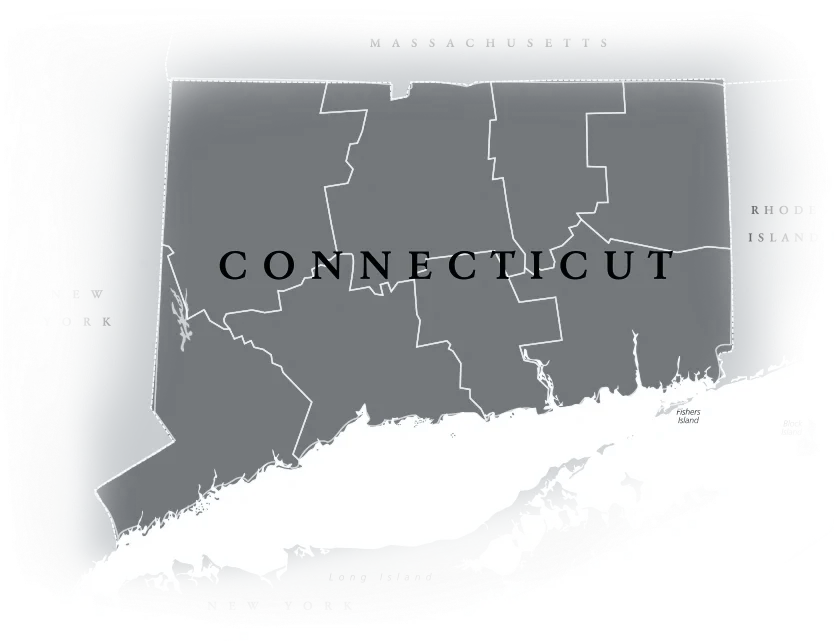
Serving All of Connecticut
Free Evaluation 24/7
We understand the stress of dealing with an injury. Our team is here to provide compassionate support and effective legal representation, statewide.
Request Your Confidential & Free Case Review
Fields Marked With An ”*” Are Required

© Copyright 2026 Buckley Wynne & Parese. All Rights Reserved.
*Images are obtained under license from Canva and other third-party stock image providers, with attribution included where required.