
Available 24/7 1-800-445-2278 OR TEXT 203-409-8319
Connecticut Nursing Home Neglect & Abuse Lawyer
At Buckley Wynne & Parese, we understand how gut-wrenching it is to have to place a loved one in a nursing home. We expect them to be safe and well taken care of but that isn't always the case. Nursing home neglect and abuse remain a distressing problem across the United States and in Connecticut.
Skilled Nursing Home Neglect & Abuse Attorney in Connecticut
At Buckley Wynne & Parese, we understand how gut-wrenching it is to have to place a loved one in a nursing home. We expect them to be safe and well taken care of, but that isn’t always the case. Nursing home neglect and abuse remain a distressing problem across the United States and in Connecticut. A Connecticut nursing home neglect & abuse lawyer can help you address this problem.
If you or a loved one is a victim of nursing home neglect and/or abuse, contact Buckley Wynne & Parese immediately. Our attorneys are well respected in the community for their exceptional legal service and ability to protect their clients’ legal rights and interests. A Connecticut medical malpractice lawyer can meet you anywhere and at any time, whether that’s a hospital, a home, a restaurant, or the office for a free, confidential consultation.
In addition to individuals in home health care, care service centers, and hospice care, there are over 20,000 residents in 192 licensed nursing homes across Connecticut. And, unfortunately, a substantial amount of preventable abuse and neglect occurs at these facilities.
Types of Abuse and Neglect in Nursing Homes
Neglect and abuse come in many forms. Some of the most common forms of nursing home abuse/neglect include:
- Assault and battery. Assault and battery includes any kind of kicking, shaking, or threatening in addition to more severe forms of physical abuse.
- Lack of care for existing problems. Nursing homes are required to provide adequate care for all residents, many of whom have preexisting physical or mental health problems. A failure to provide sufficient care for an existing problem can lead to a nursing home abuse case.
- Willful deprivation. Nursing home residents must be given access to basic needs, including food, water, and assistance with personal hygiene, social interaction, and other requirements. The willful deprivation of these things is considered abuse.
- Sexual assault and battery. This includes both rape and less extreme forms of sexual assault, such as forced nudity, unwanted intimate touching, or taking explicit audio or visual recordings of residents.
- Unreasonable physical restraint or seclusion. Physical restraint and seclusion are sometimes used to protect nursing home residents, but their unreasonable use constitutes a violation of their rights and can be considered abuse.
- Unreasonable chemical restraint. Chemical restraint can also be used to protect nursing home residents in certain circumstances, but it has limited utility. If it is used inappropriately, it constitutes abuse.
U.S. News Health: 9 Warning Signs of Bad Care
U.S. News cites several warning signs you can look out for that indicate that your loved one may not be receiving the level of care that they deserve. They include:
- Marked emotional or physical changes
- Unanswered or deflected questions from staff
- Frantic, discordant, or inadequate staff
- High staff turnover
- “I don’t want so-and-so to care for me.”
- Constantly ringing phones and unanswered call lights
- Dehydration and malnourishment
- Status quo reigns
- A bad feeling
If you notice any of these red flags, speak to an attorney regarding your concerns.
What to Do Immediately if You Suspect Nursing Home Neglect or Abuse?
It’s important to take action right away if you suspect nursing home neglect or abuse, both to protect the victim and to initiate an investigation. You should:
- Prioritize safety. If you think that the resident being abused or neglected is in immediate danger, you should call 911. Emergency responders can provide care and protection.
- Retain evidence. If there is any evidence of the abuse, such as torn clothing or visible injuries, make sure you document it. You can take photographs of the victim’s injuries and keep clothing in the state you found it in following the attack. This evidence could be vital to proving a neglect claim should you decide to take the case to court.
- File a report. You should voice your concerns to management with an official report. Make sure you document the conversation you have and keep copies of any paperwork you file. Include the date and time of the conversation and the name of the person you spoke with.
- Contact state agencies. There are three places you can report nursing home abuse or neglect in Connecticut: the Protective Services for the Elderly Program, the Long Term Care Ombudsman Program, and the Department of Public Health. If you have questions about how to file these complaints, a lawyer from our firm can assist you.
- Hire an attorney. The victim and their family may have grounds to file a civil claim to seek compensation for their damages, so it’s important to speak with a nursing home abuse lawyer right away. Your attorney can help you decide what type of claim to file.
Vicarious Liability for Employees’ Actions
Even if one specific staff member was responsible for abusing your loved one, the nursing home itself could still be held liable for that person’s actions thanks to the theory of respondeat superior, or vicarious liability. This is the case even if the nursing home’s management was unaware that abuse or neglect was occurring. However, the staff member must have been acting within the scope of their employment for vicarious liability to apply.
In some cases, facilities can also be held directly liable for nursing home abuse or neglect. This is the case when negligent hiring practices or a failure to perform background checks leads to the nursing home hiring a worker who should not have been given the job, for example, or when chronic understaffing creates conditions in which neglect is likely to occur.
The Nursing Home Reform Act
The Nursing Home Reform Act was established to advance nursing home residents’ rights and to help residents receive the “highest practicable” care. Residents are entitled to the following services under this act:
- Access to nursing and social rehabilitation services
- Periodic assessments
- Access to dietary and pharmaceutical services
- A resident-specific comprehensive care plan
- Access to a full-time social worker (if the facility has over 120 beds)
In order for a nursing home facility to receive Medicare and Medicaid funding, the Resident’s Bill of Rights was established to protect residents from abuse, isolation, and improper medical treatment.
The Resident’s Bill of Rights:
Nursing Home Residents have the Right to:
- Privacy
- Be Treated with Dignity
- Exercise Self-Determination
- Live in a Caring Environment Free from Abuse, Mistreatment and Neglect
- Live Without the Fear of Enduring Physical Restrain
- Receive Personal Care that Accommodates Physical, Medical, Emotional and Social Needs
- Social Contact/Interaction with Fellow Residents and Family Members
- Exercise Freedom of Speech and Communicate Freely
- Participate in the Creation and Review of One’s Individualized Care Plan
- Be Fully Informed in Advance of Any Changes to Care Plan or Status of the Nursing Home
- Voice Grievances without Discrimination or Reprisal
If you believe one or more of these rights has been violated, you should contact an attorney right away.
Nursing Home Compare
Medicare’s Nursing Home Compare website provides consumers and their families vital information for choosing a nursing home. Their database of over 15,000 nursing homes around the country can help you compare the following:
- General Information
- Health Inspection Rating
- Staffing Rating
- Quality Measures Rating
- Ownership
- Staffing Levels
- indent Average Number of Residents Compared to RN Hours Per Resident, Nurse Aide Per Resident, Physical Therapy Staff Per Resident
- Quality Measures
- indent Ratings on Short-Stay vs. Long-Stay Quality of Resident Care,
- indent Percentages of Residents who were Re-Hospitalized or Experienced a Fall
- indent Rate of Successful Return Home
- Health Inspections
- indent Date of Most Recent Inspection
- indent Total Number of Health Citation
- indent Information on Complaint Inspection
- Fire Inspections
- indent Date of Most Recent Inspection
- indent Date of Most Recent Inspection
- indent Total Number of Fire Safety Citations
Having access to this wealth of information can help you make an informed decision about who you should trust to provide care for your aging family members.
Why You Should Hire a Nursing Home Neglect Lawyer?
If your loved one is being neglected or abused by a nursing care facility or one of its staff members, you should hire a nursing home neglect lawyer right away to hold the responsible parties accountable and seek compensation for the harm your loved one has suffered. Your attorney can:
- Assist you with paperwork and complaint filing
- Determine who is liable for the abuse or neglect
- Collect evidence to help prove your claim
- Interview witnesses
- Hire expert witnesses, if necessary
- Negotiate a fair settlement with the facility’s insurance company
- Represent your family in court, should the case go to trial
Whether you’re dealing with a case of medical malpractice or negligence, nursing home neglect cases deserve to be taken seriously. Working with an experienced attorney is an effective way to obtain successful results.
FAQs
How Hard Is It to File a Claim Against a Nursing Home for Neglect?
It can be hard to file a claim against a nursing home for neglect, but the process is much easier with a qualified Connecticut nursing home neglect attorney. Filing a claim requires proving fault, gathering evidence to support your case, and filing your claim before the two-year statute of limitations is up.
What Is the Nursing Home Negligence Rule in Connecticut?
The nursing home negligence rule in Connecticut is codified in the Nursing Home Patients’ Bill of Rights. It allows patients and their families to file legal claims when the facility or its staff fails to meet accepted standards of care, resulting in physical, emotional, or financial harm. Violations include medical mistakes, basic need failures, and poor hygiene assistance.
What Constitutes Elder Abuse in CT?
Acts that constitute elder abuse in CT under Connecticut nursing home neglect laws include physical abuse, neglect, and financial exploitation of a person over the age of 60. Abuse is defined as a willful infliction of pain, injury, or mental anguish to a patient or a caretaker’s willful deprivation of the services required to keep an elderly person physically and mentally healthy.
What Constitutes Neglect in a Nursing Home?
Acts that constitute neglect in a nursing home include physical, medical, and personal care neglect. Any failure of a senior care facility or its staff to provide for residents’ basic needs and medical care or to properly supervise residents to keep them safe and healthy can be considered nursing home neglect.
Buckley Wynne Parese Wants to Help
Here at BWP, we understand the profound effects situations of neglect and abuse can have on victims and their families. Early investigation is necessary to identify all responsible parties. If you or a loved one is a victim of a nursing home’s negligence and/or wrongdoing, contact us today.

Medical Malpractice
There are various ways medical malpractice can be committed and if you have been seriously injured by the negligence or carelessness of a medical professional, contact Buckley Wynne & Parese immediately. Our attorneys have the necessary medical knowledge and accessible resources to fight for victims of medical malpractice.

Birth Injuries
A birth injury that could have been prevented could turn your life and that of your new baby’s, upside-down instantly. But you do not have to face the aftermath alone.

Nursing Home Neglect & Abuse
At Buckley Wynne & Parese, we understand how gut-wrenching it is to have to place a loved one in a nursing home. We expect them to be safe and well taken care of but that isn’t always the case. Nursing home neglect and abuse remain a distressing problem across the United States and in Connecticut.


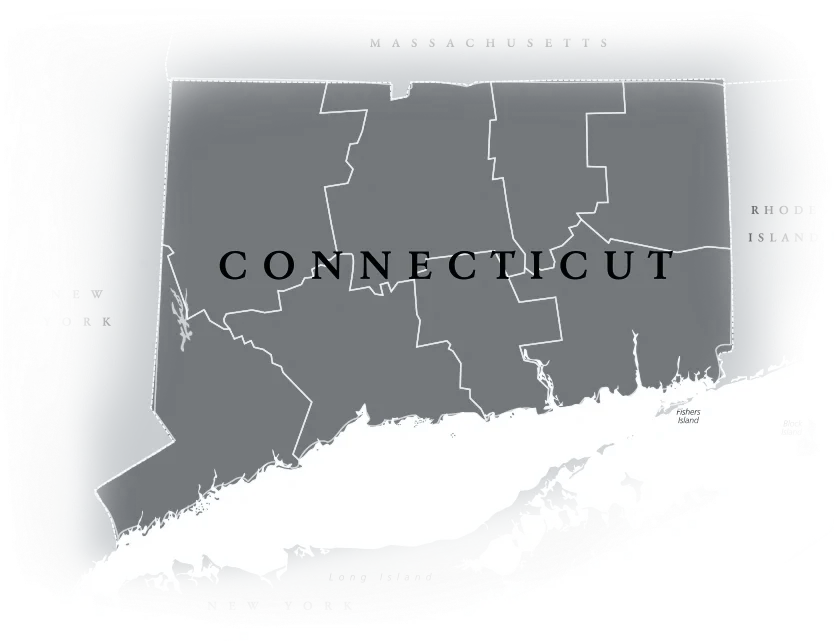
Serving All of Connecticut
Free Evaluation 24/7
We understand the stress of dealing with an injury. Our team is here to provide compassionate support and effective legal representation, statewide.
Request Your Confidential & Free Case Review
Fields Marked With An ”*” Are Required

© Copyright 2026 Buckley Wynne & Parese. All Rights Reserved.
*Images are obtained under license from Canva and other third-party stock image providers, with attribution included where required.