
Available 24/7 1-800-445-2278 OR TEXT 203-409-8319
Connecticut Truck Accident Lawyer
Truck Accident Attorney in Connecticut, CT
If you are looking for a Connecticut truck accident lawyer, you may be involved in the early stages of a serious or catastrophic injury resulting from a collision with a commercial truck. Truck accidents are significantly different from car accidents. These incidents often result in serious injury or lifelong medical problems for the victim because of the size and mass of commercial vehicles.
About Buckley Wynne & Parese
Attorneys at Buckley Wynne & Parese have served Connecticut injury victims since 1881. The firm only handles personal injury, wrongful death, and professional malpractice claims. Our attorneys have a strong record of handling Connecticut truck accident cases, thanks to their experience in the state’s courts, such as the New Haven Judicial District Courthouse, located at 235 Church Street, New Haven, CT 06510.
Why Truck Accidents Are Different From Car Accidents
A semi-truck can weigh as much as 80,000 pounds, a significant factor when it impacts a passenger vehicle. High-speed collisions can obliterate small vehicles, but even low-speed crashes carry enormous risks for traumatic brain injuries, spinal cord damage, fractures, and internal organ damage.
Over 168,000 vehicle accidents occur annually, with about 32% of them resulting in injuries and 3% in fatalities. Far too many victims never recover from their injuries. Permanent disability comes with lingering pain, reduced mobility, and an inability to return to work. These losses are a significant part of your truck accident case.
Common Causes of Truck Accidents in Connecticut
Fault is often a factor in multiple collisions across Connecticut. Truck accidents are different from car accidents, as they can involve factors unique to the trucking industry. Driver fatigue causes many crashes, particularly when federal regulations on commercial driver hours of service are violated. Distracted driving, drunk driving, and speeding also factor into many truck crashes.
In other situations, investigators may find that poorly maintained trucks, overloaded trailers, or improperly secured cargo caused a collision. Fault can also extend beyond the driver of a truck. The trucking company may share responsibility for maintaining vehicles. A third-party maintenance company could be liable for a crash caused by poor service. If a trailer was improperly packed, the company responsible for loading it could be responsible for damages.
Injuries in a Truck Accident Case
Connecticut is not a no-fault state. This means that, under truck accident laws, you have the right to file a claim against the party who caused your accident. You can seek damages from any responsible party after a collision occurs. Serious injury is the defining characteristic of any truck accident. These commonly include:
- Traumatic brain injuries
- Severe burns
- Multiple fractures
- Spinal cord injuries
- Cuts and lacerations
- Internal bleeding and other injuries
Truck accident claims involve both state and federal laws. All commercial vehicles are held to higher safety standards than regular passenger vehicles. These include maintenance schedules, maximum driving hours without rest, cargo requirements, and more.
Truck traffic is common along the I-95, I-91, and I-84 corridors throughout Connecticut. Major cities along these interstates include New Haven, Hartford, and Stamford. Busy intersections, roadwork, and truck traffic along Connecticut’s coast can lead to serious accidents. Thousands of crashes have been reported along state roads and highways involving large trucks.
Federal Trucking Regulations
Commercial trucking companies are bound by federal regulations designed to mitigate risk and prevent accidents. These rules apply to:
- Drivers
- Dispatchers
- Maintenance crews
- Cargo loaders
- Any workers responsible for transporting goods across state lines
The regulations specifically apply to commercial trucks, which haul cargo or paying passengers. They cover:
- Driver qualifications
- Hours-of-service
- Truck maintenance
- Cargo securement
Violations of federal trucking rules are often crucial factors in truck accident cases, as they are used to establish negligence on behalf of the driver and/or trucking company.
The Federal Motor Carrier Safety Administration (FMCSA) also enforces standards of service, maintenance requirements, and more. Hours-of-service rules dictate how many consecutive hours a driver can operate without rest. Maintenance regulations require trucking companies to properly maintain their vehicles so they are safe to drive. A violation of federal trucking rules can establish liability in truck accident cases.
Truck Accident Liability
Proving liability in a truck accident case can become quite complex. Unlike standard automobile accidents, truck accidents usually involve multiple parties who can be held liable. The most obvious is the truck driver.
- If the truck driver was speeding, driving distracted, or driving drowsy, they can be held liable for negligence.
- Trucking companies can be held liable if they fail to train the driver, properly maintain the vehicle, or implement safety regulations.
- Companies that conduct maintenance on trucks are liable if they perform faulty repairs.
- If cargo was improperly loaded or wrapped, cargo loaders can be held responsible if that caused the crash.
- Parts manufacturers can also be liable if they supply a defective part.
When investigating accidents, lawyers often look at all these parties to make sure every at-fault party is included in a claim. They can review the driver’s log, employment records, maintenance records, and police reports to determine who else may be responsible.
Because of the numerous parties who might share responsibility, truck accident claims often present complex challenges. They require working with insurance companies and thoroughly investigating every angle.
Types of Truck Accidents
Truck accidents fall into specific categories. Understanding these types can help you identify what type of accident you were involved in. Many truck accidents are higher-risk incidents than standard automobile accidents. Truck crashes can happen during rear-end collisions, jackknife accidents, rollovers, underrides, and sideswipes. When a truck is involved in a rear-end collision, the damage to all vehicles can be substantial.
The types of truck accidents can include:
- Jackknife accidents are unique because the trailer of the truck swings out and often blocks several lanes of traffic. These accidents typically involve more than one other vehicle.
- A rollover accident occurs when a truck flips onto its side or roof. These accidents can cause truck cargo to spill onto the road. In addition to blocking traffic, they can also crush vehicles that are nearby.
- In an underride accident, the vehicle goes under the truck. These accidents are often deadly.
Traumatic brain injuries, spinal cord injuries, internal bleeding, and severe orthopedic injuries are common in these accidents. These are referred to as catastrophic injuries.
Compensation in a Truck Accident Case
Just like all accident claims, truck accident cases depend on how severely you were injured. If you were involved in a truck accident, you could seek compensation for your injuries. Medical bills can be used to begin calculating your damages. These include the cost of any emergency care you received on the scene, along with bills from your hospital stay.
If you needed to have surgery for your injuries, you can be compensated for that. In addition to past medical expenses, you can pursue compensation for future medical care. If you need physical therapy, rehabilitation, or any sort of lifelong treatment related to your injury, your medical compensation will cover those costs.
If you lost wages due to your injury, you could seek compensation for that as well. In some cases, you cannot return to work. If you’ve suffered a debilitating injury that affects your ability to earn a living, you may be compensated for loss of income.
Many people who are involved in truck accidents require some type of long-term care. This could involve home-care assistance, home alterations for accessibility, or other types of support. Truck insurance policies are often higher than standard auto insurance policies. However, that doesn’t mean your insurance company will hand you your settlement.
Insurance companies look at documentation. They will judge your case based on your medical records and the opinion of their medical professionals.
High-Risk Areas for Connecticut Truck Accidents
Areas throughout Connecticut that experience high congestion, consistent traffic patterns, or commercial activity could be considered high risk for serious truck accidents. Interstate 95, Interstate 91, and Interstate 84 all experience heavy commercial truck traffic throughout Connecticut, especially along coastal regions and large cities. Truck traffic is common near the Port of New London as well as industrial centers located throughout New Haven.
Increased congestion is common in these areas, making merging or stopping difficult for large trucks on freeways. Dangerous traffic conditions such as these can lead to multi-car pileups, rear-end collisions, and other high-impact crashes with tractor-trailers. With larger vehicles involved, these accidents commonly result in catastrophic injury to innocent victims.
Determining where your crash occurred can identify factors that may have contributed to it. It can also indicate who could be held liable in a truck accident claim.
Timeline of a Truck Accident Case
Truck accident cases typically go through several phases, and each determines how your case will resolve. Right after your crash, you will be focusing on seeking medical treatment. As soon as possible, you should contact Buckley Wynne & Parese. We can begin preserving evidence related to the crash. It is important to quickly obtain driver logs, black box data, maintenance records, and witness information. Many pieces of valuable evidence can be lost if not preserved during the immediate stages of your claim.
After you have begun medical treatment and have a better understanding of your injuries, your case will progress into the information-gathering stage. At this time, all your medical records, imaging, diagnostic tests, and physician opinions will be compiled to determine how your injuries have impacted you. Negotiations usually start once we have determined the extent of your injuries.
Many trucking companies and insurance companies will fight you on liability or downplay your injuries in hopes that you will accept a lower settlement. If we cannot reach a fair settlement, then we can proceed with filing a claim against all parties responsible for your injuries.
The civil claim, discovery, depositions, and trial make up the length of your case if we need to litigate. Truck accident claims take longer to resolve than typical motor vehicle accidents due to the severity of the victims’ injuries and the number of parties that may be responsible.
Permanent Disability
Due to the high speeds and massive machinery involved in truck accidents, many victims suffer from life-changing injuries. Some examples of permanent disabilities include paralysis, loss of limb, severe traumatic brain injuries, and chronic pain.
Injuries that lead to permanent disability commonly require lifelong care from medical professionals, and they may inhibit your ability to return to work. Some individuals may require additional therapy, wheelchairs, automobiles equipped for handicap use, and home modifications.
Wrongful Death Claims
In fatal accidents, it is possible to file a wrongful death claim. Wrongful death claims can be filed by close family members or the estate of the individual who passed away. Connecticut law allows family members to recover compensation for financial losses associated with the truck accident. These may include:
- Medical bills
- Funeral expenses
- Loss of future income
- Pain and suffering
Wrongful death claims also recognize the impact your loved one’s death will have on you for the rest of your life.
What to Do After a Truck Accident
What you do after a truck accident is very important. It can help you recover from your injuries and improve your case should you choose to take legal action.
Seek medical attention as soon as possible. If you were injured during a truck accident, you should always get checked out by a medical professional. Some injuries, like brain trauma and internal bleeding, don’t show immediate symptoms. If you can safely do so, call the police to file a report. An accident report can serve as an unbiased account of what happened.
Take pictures of the accident if you safely can. You should photograph all the damage to your vehicle. In addition, you should take photos of any visible injuries you suffered. If there were any witnesses at the scene, write down their information so you can give it to your lawyer.
Try not to discuss who is at fault. Police officers will ask you who you think caused the accident. However, remember that you may not have all the information, and any admission can be used against you when making a claim.
Since truck accidents require an investigation into a truck driver’s logs and electronic monitoring devices, it’s important to act quickly. These may be destroyed or erased otherwise.
Hire a Truck Accident Lawyer
Trucking and insurance company lawyers want to resolve truck accident cases quickly. They will often investigate a claim or initiate a defense probe right after the collision occurs. The trucking company’s goal is to minimize its exposure.
When you hire a truck accident lawyer, they can protect evidence, preserve key records, and prevent evidence from being destroyed. In addition, the earlier you contact a Connecticut truck accident attorney, the better they can manage all communications with insurance companies.
Waiting too long to act on a claim can result in serious legal consequences. Waiting to build your case allows time for records to be destroyed and memories to fade. It’s crucial to bring in legal help as soon as possible.
FAQs
Is It Worth Getting an Attorney for a Vehicle Accident?
Yes. You should consider hiring an attorney for your truck accident case. Serious injuries often occur in truck accidents. Liability issues are usually complicated. An attorney can work to preserve evidence, identify all liable parties, and properly value your claim. Insurance companies tend to downplay injuries and deny liability if you are not represented by an attorney. This usually translates into a lower recovery for the injured victim.
How Much Are Most Truck Accident Settlements?
There is no typical settlement amount in truck accident cases. Each case is unique and will settle for different amounts based on the injuries, liability, and available insurance coverage. However, because trucking companies are required to carry more insurance than the average driver, many trucking accident cases settle for much higher amounts than standard automobile cases.
What Kind of Lawyer Do I Need to File a Claim Against a Trucking Company?
You should hire a personal injury lawyer who has experience in truck accident claims. Truck accidents involve federal regulations, multiple parties who may be liable, and various insurance companies. An experienced Connecticut truck accident attorney knows how to investigate these types of crashes. They can review truck driver records and trucking company documents to find out who is at fault.
When Should You Get a Lawyer for a Truck Accident?
Ideally, you should contact a lawyer immediately following a truck accident. Preserving evidence, such as the truck’s black box, driver logs, and maintenance records, is critical and should be done right away. Waiting too long can mean the loss of that evidence. An attorney can also advise you on the protection of your rights when insurance companies start asking questions.
Contact A Connecticut Truck Accident Lawyer At Buckley Wynne & Parese Today
If you have suffered an injury after a truck accident, Buckley Wynne & Parese can represent your interests throughout the legal process. Contact us today for more information.


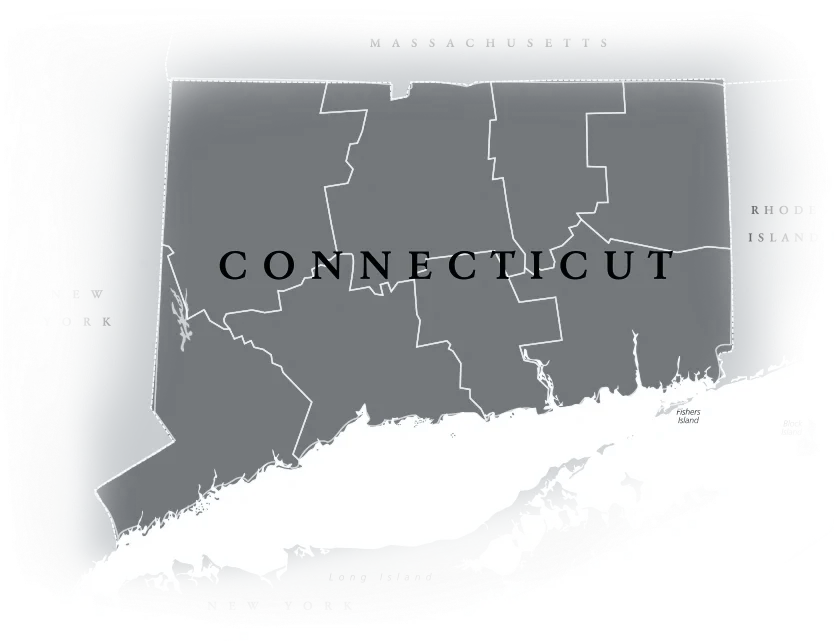
Serving All of Connecticut
Free Evaluation 24/7
We understand the stress of dealing with an injury. Our team is here to provide compassionate support and effective legal representation, statewide.
Request Your Confidential & Free Case Review
Fields Marked With An ”*” Are Required

© Copyright 2026 Buckley Wynne & Parese. All Rights Reserved.
*Images are obtained under license from Canva and other third-party stock image providers, with attribution included where required.