


Available 24/7 1-800-445-2278 OR TEXT 203-409-8319
Connecticut Premises Liability Laws : What You Need To Know!

Understanding Connecticut premises liability laws is important for anyone who was injured on someone else’s property. These laws are designed to protect visitors from preventable harm and to ensure that negligent property owners are held accountable when unsafe conditions cause accidents.
With experience working with local courts, like the Hartford Superior Court, the New Haven Judicial District, and the Stamford-Norwalk Courthouse, our legal team has the legal experience needed to help you.
About Us
Since 1881, Buckley Wynne & Parese has offered Connecticut families compassionate legal support backed by an award-winning team. Our attorneys are available 24 hours a day, 7 days a week, and when circumstances make travel impossible, we gladly come to you.
What Is Premises Liability?
Premises liability is a body of law that holds property owners accountable for accidents or injuries that occur on their property. These laws apply to a wide range of property owners, including homeowners, landlords, business operators, and even municipalities.
When a property owner fails to maintain a safe environment, accidents can give rise to premises liability cases, and the injured person could seek compensation for any damages they’ve suffered.
Because these cases can become complicated very quickly, many people turn to an experienced Connecticut premises liability attorney to guide them through the process and ensure their rights are fully protected.
Proving Negligence in Connecticut
To be compensated, the victim must demonstrate that the property owner’s failure to maintain a safe environment directly caused their injury. Understanding how the law evaluates negligence in premises liability cases is essential. To do so, a Connecticut premises liability attorney needs to prove four elements: duty of care, breach of duty, causation, and damages.
- Duty of Care: Property owners owe a reasonable duty of care to keep visitors safe, depending on the visitor’s status. Invitees, like customers or tenants, are owed the highest duty. Licensees, like social guests, are also protected, while trespassers generally have limited rights.
- Breach of Duty: When a property owner breaches their duty of care and an accident results, the property owner may be considered negligent.
- Causation: An attorney needs to prove that the hazardous condition caused the injury.
- Damages: An attorney needs to show that the injury resulted in damages to the victim.
Proving negligence requires careful investigation and the meticulous gathering of evidence, because if any of these elements can’t be shown, even the most serious accidents might not result in compensation. Working with a Connecticut premises liability attorney helps make sure every aspect of your case is thoroughly addressed.
Comparative Negligence in Connecticut Premises Liability Cases
Connecticut uses a modified comparative negligence system, which can significantly affect the outcome of premises liability cases. Under this rule, if an injured person is partly responsible for their own accident, they are assigned a percentage of fault. Later, their compensation is then reduced by that same percentage.
However, there are limits. If the victim is found to be 51% or more at fault for their accident, they’re not eligible to recover any compensation. Because assigning fault can be complicated, an experienced Connecticut premises liability attorney can carefully review the evidence and make sure you’re assigned a fair portion of responsibility, if any exists.
Statute of Limitations for Premises Liability Claims
Timing is crucial when filing a premises liability claim in Connecticut. The state sets a two-year statute of limitations for personal injury cases. This means you need to file your claim within two years of the accident.
If you miss this deadline, you forfeit your right to pursue compensation. In addition, certain cases could have shorter deadlines, depending on the specifics of the accident. That’s why it’s so important to hire a premises liability lawyer as soon as possible. Acting early also gives your attorney the chance to collect essential evidence before it’s lost or compromised.
Hire a Premises Liability Lawyer
Deciding to hire a premises liability lawyer is often the most important step you can take after being injured on someone else’s property. With personal injury claims increasing by 78% over the last decade, totaling almost 400,000 cases per year, 95% of all claims end in a pre-trial settlement thanks to aggressive counsel.
In addition to proving negligence, minimizing your fault, and making sure deadlines are met, a Connecticut premises liability attorney can also push back against insurance adjusters.
Insurance adjusters are trained to limit your payout and could use subtle tactics to reduce or deny your claim. An experienced lawyer can communicate with them directly, review settlement offers, negotiate on your behalf, and push for compensation that reflects the true value of your claim.
FAQs About Connecticut Premises Liability Laws
How Long Will My Case Take to Resolve?
The length of time it typically takes to resolve a case can range depending on how complicated the accident was, how severe your injuries are, and whether the case settles or goes to trial. Some claims can be resolved quickly through negotiations, while others can take longer if litigation is required.
What Types of Damages Can I Recover in a Premises Liability Claim?
The types of damages you can recover in a premises liability claim might include medical expenses, lost wages, pain and suffering, emotional distress, and sometimes property damage. Severe injuries can also lead to compensation for long-term disability, rehabilitation costs, and the loss of quality of life. Your eligibility depends on the specifics of your case.
What Should I Do Immediately After a Premises Liability Accident?
Immediately after a premises liability accident, you need to prioritize your health by seeking medical attention, even if injuries seem minor. Document the scene with photos, gather witness contact information, and report the incident to the property owner or the manager. Later, avoid giving recorded statements to insurance adjusters without legal guidance.
Are Landlords Liable for Accidents Inside a Tenant’s Apartment?
Yes, in certain cases, landlords can be held liable for accidents inside a tenant’s apartment. If the injury was caused by a condition the landlord was responsible for maintaining, such as plumbing, electrical systems, or structural defects, the landlord could be held liable. They’re generally not liable for hazards caused by the tenant’s own actions or negligence.
Your Advocate in Connecticut Premises Liability Cases
At Buckley Wynne & Parese, we’re committed to standing up for victims of negligent property owners throughout Connecticut. From investigating hazards to negotiating with insurers and, if necessary, taking your case to court, our team works to make sure you get the compensation you deserve. Contact us today to schedule a consultation.
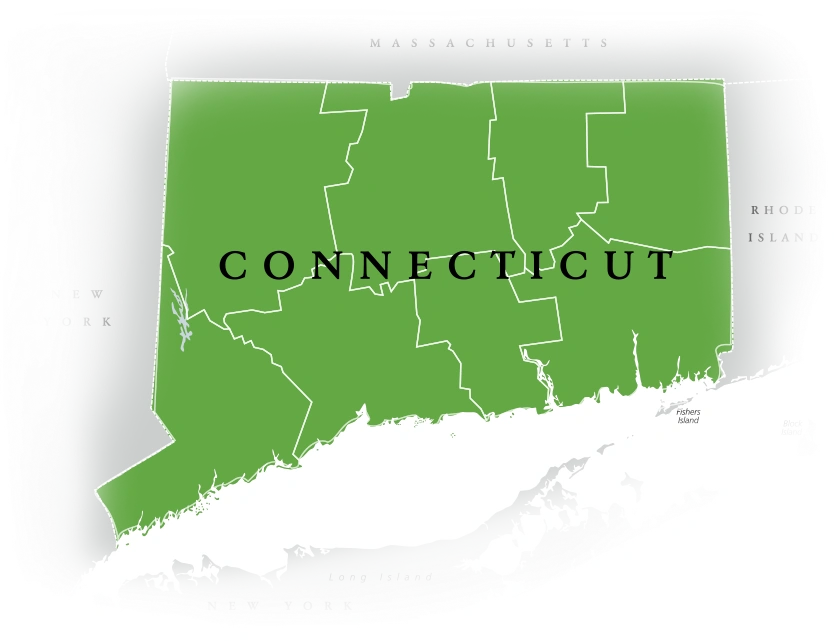
Serving All of Connecticut
Free Evaluation 24/7
We understand the stress of dealing with an injury. Our team is here to provide compassionate support and effective legal representation, statewide.
Request Your Confidential & Free Case Review
Fields Marked With An ”*” Are Required
Office Location
Stamford Office
263 Tresser Boulevard
9th Floor
Stamford, CT 06901
Phone 800-445-2278
© Copyright 2026 Buckley Wynne & Parese. All Rights Reserved.