


Available 24/7 1-800-445-2278 OR TEXT 203-409-8319
Connecticut Slip and Fall Laws Explained

When you’ve been in a slip and fall accident, understanding your rights under Connecticut slip and fall laws can help you recognize when you might have a valid legal claim on your hands. These laws determine who could be liable, the kinds of evidence you need, and the deadlines to watch out for when filing a claim.
Our team is familiar with local courts, like the Hartford Superior Court, the New Haven Judicial District, and the Stamford-Norwalk Courthouse, and we have the legal experience needed to help you.
About Us
For more than 140 years, clients have trusted Buckley Wynne & Parese to deliver powerful results when it matters most. Established in 1881, our award-winning firm brings a century-long legacy of experience to every case.
Understanding Liability in Connecticut Slip and Fall Cases
Accounting for 35% of all preventable injuries, slip and fall accidents send 3 million people to the emergency room every year, which could account for a 78% surge in personal injury claims.
In Connecticut, property owners have a responsibility to keep their premises reasonably safe for visitors. When they fail to meet that responsibility and someone gets hurt, the injured person has the right to seek compensation through a premises liability claim.
To successfully pursue a slip and fall claim, the injured party must show that the property owner either created the hazardous condition, knew it existed, or should have known about it through reasonable care. Liability could apply when:
- The dangerous condition existed long enough that a property owner should have noticed and corrected it.
- The property owner or staff directly created the unsafe condition.
- The owner failed to follow routine inspection or maintenance practices.
- Warning signs or barriers weren’t used to alert visitors to known hazards.
- High-traffic areas, like grocery stores, restaurants, apartment buildings, offices, municipal spaces, or parking lots, weren’t properly monitored or maintained.
Ultimately, liability in Connecticut slip and fall cases comes down to whether the property owner took reasonable steps to prevent accidents. If the evidence shows they overlooked obvious hazards or failed to follow basic safety practices, they can be held accountable for the injuries they caused.
The Role of Comparative Negligence
Connecticut follows a comparative negligence system, meaning the courts consider the actions of both the injured person and the property owner when deciding who’s responsible for a slip and fall accident.
If the injured person is found to have played even a small role in what happened, they are assigned a percentage of fault, and their compensation is then reduced by that same percentage.
However, to be eligible to pursue compensation, the injured person needs to be found to be 49% or less at fault. If they cross that threshold, they’re no longer eligible to recover damages.
That’s why working with an experienced slip and fall attorney is so important. A knowledgeable advocate can push back against unfair fault claims, protect your rights at every stage, and make sure insurance companies don’t use the comparative negligence system to undercut the true value of your case.
Time Limits for Filing a Claim
Connecticut enforces strict deadlines, known as the statute of limitations for filing slip and fall cases. In most situations, victims have two years from the date of the accident to file a claim, and failing to meet this deadline means giving up their right to pursue compensation.
There are also exceptions that can shorten the window. That’s why working with a slip and fall attorney is essential.
Evidence Needed to Prove a Slip and Fall Claim
Building a strong slip and fall claim relies on the quality and thoroughness of the evidence collected. Since these cases often involve conflicting accounts and disputed facts, proving liability requires clear and credible documentation. Some important types of evidence include:
- Surveillance footage
- Photos of the hazard
- Weather records
- Maintenance logs
- Witness accounts
- Medical records
- Professional testimony
The more complete and timely the documentation, the more difficult it is for a property owner or an insurer to challenge what happened. By working with an attorney who understands how to identify critical evidence and present it effectively, injury victims can strengthen their claim and increase their chances of achieving a favorable outcome.
Hire a Slip and Fall Lawyer
Dealing with serious injuries and complex legal frameworks can be overwhelming, which is why hiring a slip and fall lawyer is so important. An experienced attorney knows how to challenge unfair defenses, gather compelling evidence, and negotiate effectively with insurance companies.
When you hire a Connecticut slip and fall lawyer, they guide you through every stage and give you confidence throughout the process.
FAQs About Connecticut Slip and Fall Laws
What Should I Bring to My First Meeting With an Attorney?
For your first meeting with an attorney, you should bring any documents or information related to your accident, including medical records, photos, incident reports, insurance communications, and notes about what happened. Having these materials on hand helps your attorney accurately evaluate your case and identify additional evidence that might be needed.
How Long Should I Keep My Medical Records After a Slip and Fall?
After a slip and fall, you should keep your medical records for the entire duration of your claim and for a few years after. These documents serve as essential proof of your injuries, your treatment, and the long-term effects you’re suffering. Keeping them organized allows your attorney to easily reference information when negotiating with insurers or preparing for litigation.
Can I Recover Damages if the Property Owner Fixed the Hazard After My Accident?
Yes, you can still recover damages if the property owner fixed the hazard after your accident. The fact that a condition was corrected doesn’t eliminate liability for injuries that happened before the repair. Courts generally focus on whether the property owner should have addressed the hazard earlier and whether their failure to act caused your injury.
Do I Need to Notify the Property Owner About My Intent to File a Claim?
Yes, you typically need to notify the property owner or their insurance company, especially if the claim involves a business or municipal property. Providing notice allows the owner to document the incident and investigate the circumstances surrounding your incident. Your attorney can make sure that all required notices are completed properly and on time.
Stand Up for Your Rights With Proven Advocacy
At Buckley Wynne & Parese, we’re committed to fighting for your rights, protecting your interests, and making sure your voice is heard. Our attorneys aggressively challenge unfair insurance tactics, build strong cases grounded in evidence, and advocate relentlessly for the compensation you deserve. Contact us today to schedule a consultation.
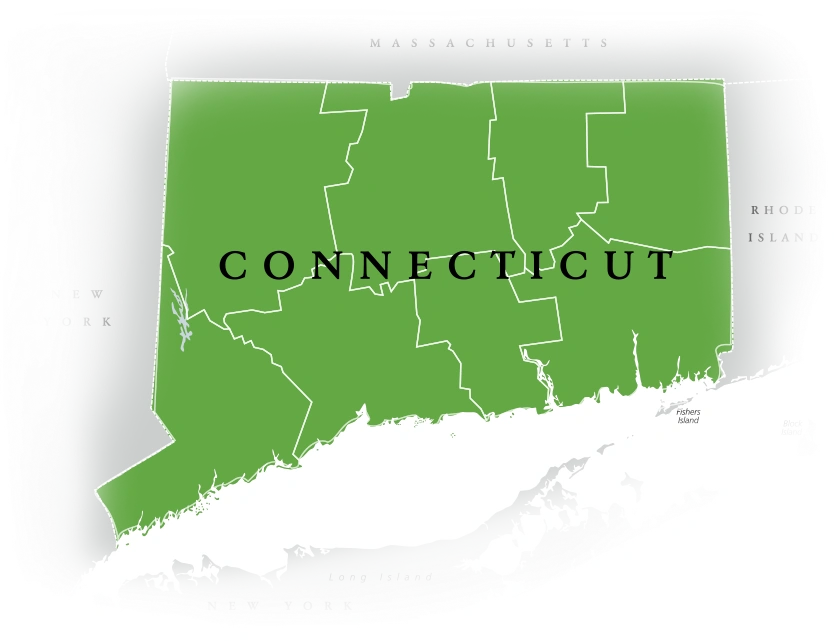
Serving All of Connecticut
Free Evaluation 24/7
We understand the stress of dealing with an injury. Our team is here to provide compassionate support and effective legal representation, statewide.
Request Your Confidential & Free Case Review
Fields Marked With An ”*” Are Required
Office Location
Stamford Office
263 Tresser Boulevard
9th Floor
Stamford, CT 06901
Phone 800-445-2278
© Copyright 2026 Buckley Wynne & Parese. All Rights Reserved.