
Available 24/7 1-800-445-2278 OR TEXT 203-409-8319
Awards & Accolades





Recent Case Results
Serious Loss Deserves A Serious Partner
With Buckley Wynne & Parese, you get the experience and concern of seasoned New Haven CT personal injury attorneys who work to minimize your worries while obtaining the best results for your personal injury claim.
For over 140 years, the attorneys at Buckley Wynne & Parese have fought for justice for our clients.
$750,000
Nursing Home Negligence Settlement
Nursing home fraud, elder abuse and gross negligence
Read more
$1,100,000
Motor Vehicle Settlement
Motor vehicle crash resulting in wrongful death.
Read more
$900,000
Premises Liability Settlement
Premises liability case resulting in amputation
Read more
$1,200,000
Motor Vehicle Settlement
Motor vehicle crash.
Read more


About Buckley
Wynne & Parese: Our Approach to Personal Injury Law
play video
BWP
Waterbury, CT
Personal Injury Attorneys
A Long Tradition Of Protecting Families in Waterbury, CT
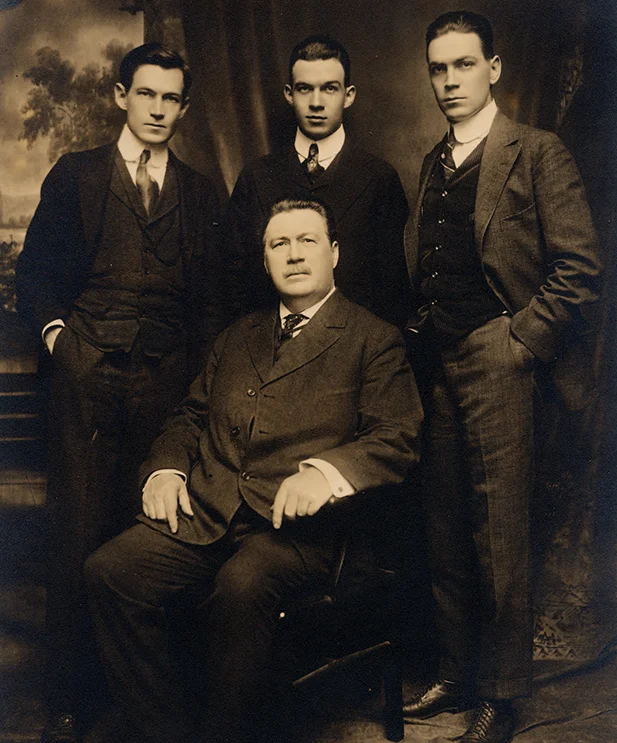
Our attorneys and staff are fully dedicated to assisting you and answering your questions. We take great pride in being available and helpful. Our law firm is focused on representing individuals injured by the negligence and wrongdoing of others. We offer all prospective clients a free initial consultation. If you think you may have a case, you are invited to call us at no charge to discuss your options.
Helping Families in Waterbury, CT
We understand that traumatic injuries can have a profound effect on one’s family. We endeavor to use all of our attention and resources toward helping our clients and their families protect their interests and get back on their feet.
Waterbury, nicknamed “The Brass City” the second-largest city in New Haven County, situated in on the Naugatuck River. Waterbury is located 30 miles southwest of Hartford, and about 75 miles northeast of New York City.
Available 24/7
FREE
Initial Consultation
NO COSTS
Unless You Recover
Know Your Rights
We Will
Come to You
Suffering a serious injury is stressful. You may be facing substantial medical bills, lost wages from missing work while you heal, and a variety of other expenses. A Waterbury personal injury lawyer can help you recover the losses you incurred due to your injuries by holding the liable party accountable for the role they played in causing the accident that led to them.
Trust Buckley Wynne & Parese
You can rely on the team here at Buckley Wynne & Parese to handle even complex personal injury claims. From slip-and-fall incidents to car accidents, we have successfully handled all types of claims for our clients. We know how to negotiate effectively with insurance companies to protect our clients’ rights and interests. If we can’t get them to make a fair offer, we can take your case to court. Reach out to find out about next steps you can take.
What Is a Personal Injury Case?
A personal injury case is a legal dispute that arises after an accident victim suffers harm due to another person’s negligence or intentionally malicious act. Most personal injury cases are resolved through informal settlement negotiations, but some of them need to go to court to come to a resolution.
Common Types of Personal Injury Cases
Personal injury cases can arise any time that another party’s negligence causes an accident victim to suffer harm, but these cases come up more often in some contexts than in others. Some of the most common types of personal injury cases include:
- Car accidents. Most car accidents are caused by driver negligence, which can lead to personal injury claims. Drivers are considered negligent if they don’t exercise reasonable care while behind the wheel and take steps to protect others on the road.
- Defective products. Under product liability law, a product’s manufacturer, distributor, and retailers can all be held responsible for injuries that occur as a result of defects. These defects can include design, manufacturing, or marketing issues. Product liability claims don’t generally require proving negligence, just that you purchased a defective product and the defect caused your injuries.
- Dog bites. Dog owners can be held liable for the damage caused by their animals in the Constitution State. If you are attacked by a dog, you may be able to recover compensation for medical bills, lost wages, and other damages incurred as a result of your injuries as long as you did not provoke the animal. Under Connecticut’s strict liability law, you don’t need to prove that the dog owner was careless or that the dog had a history of aggression.
- Medical malpractice. Medical malpractice claims occur when doctors and other healthcare providers fail to live up to the field’s widely accepted standards of care for patients. Common examples include surgical malpractice, failure to diagnose, and pharmaceutical errors.
- Premises liability. Slip-and-fall accidents are some of the most common premises liability claims, but any injury that occurs on another party’s property due to their failure to keep the property in a state of good repair can lead to a personal injury claim. Property owners owe invited visitors a duty of care to keep their land and buildings in a safe condition. If you were hurt as a result of a foreseeable hazard, you could file a claim.
If any of these situations apply to you, you may have cause to file a personal injury claim.
Common Types of Personal Injuries
The types of personal injuries seen at local hospitals like St. Mary’s or UConn Health Waterbury vary significantly depending on the type of accident that occurred. Some of the most common injuries forming the basis of personal injury claims include:
- Soft tissue injuries. Soft tissue injuries like whiplash are common in car accidents, but sprains, strains, and ligament tears can impact many parts of the body and occur in many different contexts.
- Traumatic brain injuries (TBIs). TBIs range in severity from mild concussions to life-altering brain damage. These injuries can occur in car accidents, slip-and-falls, and other incidents.
- Spinal cord injuries. Spinal cord injuries can lead to full or partial paralysis, leaving accident victims requiring lifelong medical care.
- Bone fractures. Some bone fractures are minor and heal with minimal medical intervention, while others require surgery and extensive physical therapy.
- Burns. Burns can occur due to fires, chemical exposure, and electrical shocks. Severe burns can cause permanent disfigurement and chronic pain, often leading to substantial settlements.
- Internal organ damage. Internal organ damage typically occurs when the force of an impact causes an accident victim’s organs to collide with the outside of their body. Internal organ damage can occur during car accidents and in certain types of workplace accidents, such as struck-by and crushing accidents.
- Amputations. Traumatic amputations occur during an accident itself, while surgical amputations may be required to treat injuries that cannot be addressed through less invasive means.
Psychological injuries are also considered grounds for filing a personal injury claim, although issues like post-traumatic stress disorder, anxiety, and depression are usually addressed through non-economic damages.
Types of Damages Available in a Personal Injury Case
There are several types of damages available in personal injury cases. They include:
- Economic damages. Economic damages include expenses like hospital bills and lost wages due to missed work. They are easy to quantify and form the basis of most personal injury settlements.
- Non-economic damages. Non-economic damages are harder to quantify. They can include things like pain and suffering and mental anguish.
- Punitive damages. Connecticut awards punitive damages in certain types of cases where defendants acted with extreme disregard for other people’s safety. Examples of times when punitive damages may be awarded include car accident cases involving extreme recklessness and product liability claims. In most other cases, punitive damages are limited to legal fees and litigation costs.
Your attorney can help you identify all of the damages to which you may be entitled and collect the evidence required to prove what they are worth. Connecticut does not cap either economic or non-economic damages, which means your final settlement amount could be quite high if your injuries were substantial.
Why Hire a Personal Injury Lawyer?
Personal injury claims in Waterbury, CT, are relatively common. In 2025, there were 4,540 car accidents in Waterbury involving 10,915 people. In 2024, 682 workplace accidents occurred within the city’s limits. Local stores see periodic premises liability claims, and defective products cause even more injuries.
No matter how you were hurt, if your injuries were caused by a liable third party, you can hire a personal injury lawyer to help you hold that person or business accountable. Your attorney can handle all the details of your case for you, from filing paperwork and collecting evidence to negotiating a fair settlement or taking the case to court. Instead of worrying about how to pay the bills, you can focus on healing from your injuries and moving on with your life.
FAQs
Q: Can You File a Claim Against Someone for Emotional Distress in CT?
A: You can file a claim against someone for emotional distress in CT as part of a larger personal injury case. Your non-economic damages, including emotional distress, may be calculated based on the value of your economic damages or the amount of time it took you to recover from your injuries. Talk to a lawyer about what your emotional distress may be worth.
Q: What Are the Four Classifications of Injuries?
A: The four classifications of injuries are mild, moderate, severe, and catastrophic. Mild injuries heal quickly without the need for substantial medical care. Moderate injuries require medical treatment and a short period of rest to heal. Serious injuries require long-term healing or surgery. Catastrophic injuries cause long-term or permanent harm, as is the case with brain damage, paralysis, and the amputation of limbs.
Q: How Much Can You Claim in Damages for a Personal Injury?
A: How much you can claim in damages for a personal injury depends on the specifics of your case. Your final settlement amount could be impacted by factors such as the severity of your injuries, how long it takes you to heal from them, and whether you held any liability for the accident that caused them. Severe and catastrophic injuries tend to result in larger settlements. Shared liability can decrease your final settlement amount.
Q: What Is the Statute of Limitations for Personal Injury in CT?
A: The statute of limitations for personal injury in CT is two years. You shouldn’t wait until that deadline is approaching to file a personal injury claim, though. You should contact a Waterbury personal injury attorney regarding your case right away. The deadline for filing an insurance claim may be much shorter, and it could be easier to file a legal claim while the details of the case are still fixed in your memory and evidence is still relatively easy to find.
Your Waterbury Personal Injury Lawyer
If you’ve been injured due to another party’s negligence, you should contact a Waterbury personal injury lawyer right away. The team at Buckley Wynne & Parese is here to help. We have decades of combined experience interpreting personal injury laws and leveraging them to get our clients the results they deserve. Let us tackle your personal injury case. Contact us to schedule an initial consultation today.
Waterbury, CT Law Firm Practice Areas
traffic
accidents
Injury
Workplace
Injury
Premises
Accidents
Buckley Wynne & Parese
our legal team
Connecticut Personal Injury Law Firm
Our attorneys and staff are fully dedicated to assisting you and answering your questions. We take great pride in being available and helpful.
bwp

Law firm with over
140years ofexperience
Clients aren’t just case numbers; they’re people whose lives have been upended.
Proud Supporters Of















Know Your Rights and Responsibilities After an Auto Accident
After an auto accident, insurance companies immediately take steps to minimize claim costs. This generally starts off with efforts to steer victims to insurance company preferred auto body shops, pushing for imitation auto parts, and securing premature recorded statements or medical authorizations. As for auto repairs, the law is clear: Your Car, Your Choice. We recommend that you choose an auto body shop of your choice, and take any directive from an insurance company with great skepticism. Similarly, it is often against your interest and not required that you give a recorded statement or medical authorizations. We are here to guide you through this process, help you avoid the pitfalls, and work with you to discuss your rights and responsibilities after an auto accident. To learn more, please review our booklet below.


Serving All of Connecticut
Free Evaluation 24/7
We understand the stress of dealing with an injury. Our team is here to provide compassionate support and effective legal representation, statewide.
Request Your Confidential & Free Case Review
Fields Marked With An ”*” Are Required

© Copyright 2026 Buckley Wynne & Parese. All Rights Reserved.
*Images are obtained under license from Canva and other third-party stock image providers, with attribution included where required.