
Available 24/7 1-800-445-2278 OR TEXT 203-409-8319
Middletown Traumatic Brain Injury Lawyer
TBI Claims After an Accident in Middletown, CT
A traumatic brain injury (TBI) rarely shows its full effect right away. Someone can walk away from a car crash or a bad fall feeling fine, then struggle with headaches, memory loss, or mood changes days or weeks later. That gap between the accident and the diagnosis is often where an insurance company starts to question whether the injury is really connected to what happened.
A Middletown traumatic brain injury lawyer at Buckley Wynne & Parese can help you sort through what a claim like this actually requires. Contact us today for a free conversation about your case.
The Kinds of Brain Injury Cases a Traumatic Brain Injury Lawyer Handles
A TBI can come from almost any forceful impact or jolt to the head. The cases we see most often from Middletown and the surrounding towns include:
- Rear-end and head-on car crashes
- Motorcycle and pedestrian collisions
- Slip and fall accidents on icy sidewalks or poorly maintained property
- Workplace falls or falling-object accidents
- Crashes caused by a drunk or impaired driver
- Assaults or incidents tied to negligent security
What Sets Our Middletown TBI Attorneys Apart?
Attorney John F. Wynne, Jr. has practiced personal injury law in Connecticut since 1984. He earned both a law degree and an MBA with highest honors from the University of Connecticut in the same year. That combination lets him weigh the medical costs of a brain injury against its long-term financial impact, from lost earning capacity to future care needs.
Our firm also understands how often impaired driving leads to these injuries. Attorney John M. Parese was interviewed by Mothers Against Drunk Driving’s Connecticut affiliate about the harm drunk drivers cause. Whatever caused your injury, we start by identifying who had a duty to keep you safe and how they failed to meet it.
Brain Injury Results Our Firm Has Obtained
Buckley Wynne & Parese has recovered compensation for clients whose brain injuries were caused by someone else’s negligence:
- $3,000,000 settlement: A head-on collision left our client with a traumatic brain injury.
- $2,500,000 settlement: A pedestrian struck by a vehicle suffered multiple fractures and a traumatic brain injury.
- $1,800,000 judgment: An alcohol-serving establishment’s negligence caused facial fractures, scarring, and a traumatic brain injury, and the judgment was tied to liquor liability.
Prior results do not guarantee a similar outcome in any future case.
Financial Impacts, Time Limits, and Fault Rules Under Connecticut Law
A head injury can mean months of rehabilitation, lost income while you cannot work, and sometimes care needs that last for years. Connecticut law also limits how long you have to bring a claim. Under Connecticut General Statutes Section 52-584, you generally must file suit within two years of discovering the injury.
Connecticut also caps that window at three years from the date of the accident, even if you did not learn about the brain injury right away. Waiting too long can mean losing the right to recover anything at all.
Fault also affects what you can recover. Connecticut follows a rule, found in Connecticut General Statutes Section 52-572h, that lets you recover damages as long as your own share of fault is 50% or less. If a court or insurer decides you were 51% or more at fault, the law bars you from recovering anything. That makes how fault gets divided after a brain injury just as important as the medical bills themselves.
Getting medical care right away and keeping a record of your symptoms can help show how the injury has affected your life.
Frequently Asked Questions
What counts as a traumatic brain injury after an accident?
A traumatic brain injury happens when a bump, blow, or jolt disrupts normal brain function, and it does not always look dramatic. A concussion is a mild form of TBI. Headaches, confusion, memory problems, or mood changes that start days after a crash or fall can also point to a brain injury.
Where would my case be heard if I need to file a lawsuit in Middletown?
Civil lawsuits from Middletown and the rest of Middlesex County are generally filed with the Middlesex Judicial District Superior Court at 1 Court Street in Middletown. Which division actually handles your case can depend on the type of claim and the amount involved. It helps to talk through the details with a lawyer before filing anything.
How much does it cost to hire a brain injury lawyer?
We handle traumatic brain injury cases on a contingency fee basis. That means there is no upfront legal fee, and the firm is paid a percentage of any settlement or award.
What if the driver who caused my brain injury did not have enough insurance?
Connecticut requires drivers to carry uninsured and underinsured motorist coverage as part of their own auto policy. That coverage can step in when the at-fault driver’s insurance is not enough to cover a serious injury like a TBI. Whether that coverage applies, and how much is available, depends on the specific policies involved.
How long does a brain injury claim typically take to resolve?
There is no fixed timeline, because each claim depends on how long it takes to understand the full scope of the injury and whether treatment is ongoing. Settling before the long-term effects of a TBI are clear can mean accepting less than the injury actually costs you. A case may resolve in months if liability and damages are straightforward, or take longer when the injury is more serious or liability is disputed.
Do I need a lawyer right away, or can I wait until I know how serious the injury is?
You do not have to decide the same day, but acting sooner helps preserve evidence like witness accounts, surveillance footage, or the condition of a vehicle or property before it changes or is lost. Brain injury symptoms can also take time to fully appear, so an early conversation can help you understand what to watch for and what to do next.
Your Next Steps With a Middletown Traumatic Brain Injury Lawyer
A traumatic brain injury can affect your memory, your mood, your ability to work, and your relationships long after the visible injuries heal. You do not have to sort out what comes next on your own.
A TBI attorney at Buckley Wynne & Parese can go over what happened, explain which deadlines may apply, and help you understand what your options look like. Contact us today to schedule a free consultation about your case.


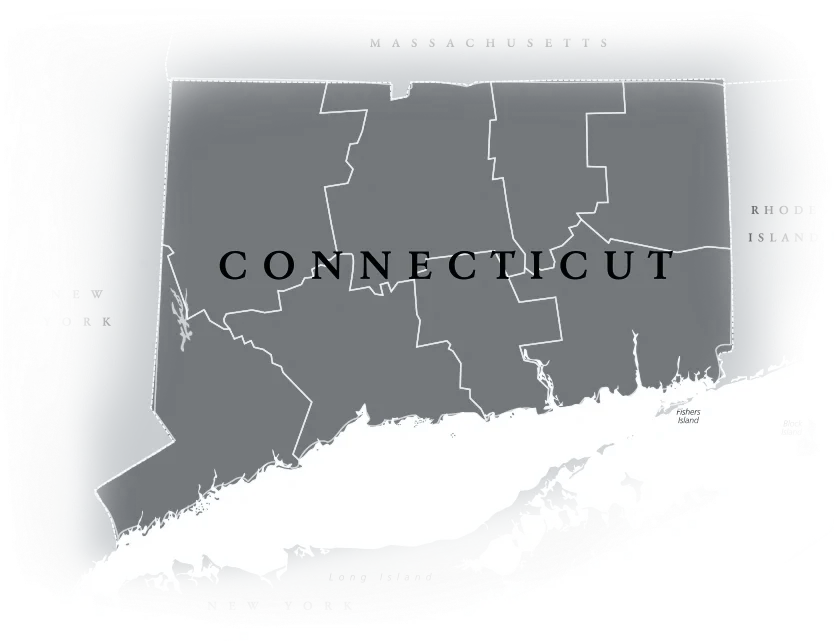
Serving All of Connecticut
Free Evaluation 24/7
We understand the stress of dealing with an injury. Our team is here to provide compassionate support and effective legal representation, statewide.
Request Your Confidential & Free Case Review
Fields Marked With An ”*” Are Required

© Copyright 2026 Buckley Wynne & Parese. All Rights Reserved.
*Images are obtained under license from Canva and other third-party stock image providers, with attribution included where required.