
Available 24/7 1-800-445-2278 OR TEXT 203-409-8319
Middletown Truck Accident Lawyer
Skilled Truck Accident Attorney in Middletown, CT
A collision with an 18-wheeler, box truck, or dump truck on I-91, Route 9, or through the heart of Middletown quickly becomes far more complex than a standard two-car accident. Federal motor carrier safety regulations require strict hours-of-service limits, cargo securement protocols, and fleet maintenance logs.
When trucking companies or drivers cut corners to meet deadlines, responsibility rarely stops with the driver behind the wheel. A trucking company, a leasing company, or a maintenance contractor can share the blame too.
We know how fast a crash like this can upend a family’s routine. Buckley Wynne & Parese has practiced personal injury law in Connecticut since 1881. Our Middletown truck accident lawyers dig into the financial and corporate layers behind a trucking company’s insurance coverage, so we can fight for a fair recovery.
Reach out to talk about what happened and where you stand.
Types of Truck Crashes Our Middletown Truck Crash Lawyers Review
Truck crash cases vary by how the wreck happened and who was involved. Claims we review for Middletown clients include:
- Jackknife crashes on wet or icy roads
- Underride and rear-end collisions with trailers
- Rollover crashes from overloaded or shifting cargo
- Lost-load accidents where cargo falls onto the roadway
- Left-turn and blind-spot crashes at intersections
- Collisions in parking lots or at loading docks
Each type raises different questions about who was negligent, whether the truck met federal safety standards, and which insurance policy applies. Sorting that out early shapes how the rest of the claim gets built.
Why a Middletown Truck Accident Lawyer at Buckley Wynne & Parese Looks Beyond the Police Report?
A police report is a starting point in a truck crash case, not the full picture. It reflects what an officer could observe at the scene, and it often says little about why a commercial truck was on the road in that condition, on that schedule, with that driver.
Building a semi-truck crash claim usually means gathering evidence the report never touches: the driver’s hours-of-service logs, the truck’s maintenance and inspection history, and data from the vehicle’s electronic control module. These records can show fatigue, skipped repairs, or speeding that no one at the scene could see.
That evidence also shows who is responsible. A truck crash can involve the driver, a dispatcher who set an unrealistic schedule, and the trucking company that failed to maintain the vehicle. Connecticut’s comparative negligence rules affect how fault is divided among everyone involved, so identifying every responsible party matters to the outcome.
Attorney John M. Parese’s work since 2007 as legal counsel to the Auto Body Association of Connecticut also gives him a practical understanding of how vehicle damage is assessed and disputed. That helps when an insurer tries to downplay the force of an impact.
Damages Available After a Middletown Tractor-Trailer Collision
A fully loaded tractor-trailer can weigh up to 80,000 pounds. When it hits a passenger car on Route 9, I-91, or Route 66, the injuries are often catastrophic, and the damages in a truck accident claim should reflect that.
Medical costs that continue for years. Truck crash victims often suffer traumatic brain injuries, spinal cord damage, crush injuries, multiple fractures, internal organ trauma, and burns. Many need surgery, ICU care, and months of rehabilitation, and some face amputation or permanent paralysis. Recoverable damages can include emergency transport, hospital stays, surgeries, physical and occupational therapy, prescription costs, and future care. In the most serious cases they also cover home modifications, mobility equipment, and long-term attendant care.
Lost income and lost earning capacity. A brain or spine injury can end a career, not just pause one. A claim can seek the wages you lost while recovering and the earning power you lost for the rest of your working life. That matters for people whose jobs depend on physical work, driving, or concentration.
Pain, suffering, and life changes. Connecticut allows compensation for physical pain, emotional distress, disfigurement, and loss of the activities you used to enjoy. A spouse may also be able to claim loss of consortium, which is the loss of companionship and support from the injured person.
Wrongful death. When a truck crash takes a life, the family may bring a wrongful death claim covering funeral and burial costs, lost income and benefits, and the loss of the person’s companionship and guidance.
Why the amount of insurance matters. Commercial carriers are required to carry far more liability coverage than ordinary drivers. A claim may reach more than one policy when the driver, the carrier, and a third party such as a maintenance contractor or cargo loader share responsibility.
Connecticut generally does not cap the money you can seek for your losses, whether out-of-pocket costs or pain and suffering, in personal injury cases.
Frequently Asked Questions
Does it cost anything to find out if I have a case?
No. A free consultation lets you describe what happened and ask questions before you decide anything. There’s no upfront cost to have a conversation about your situation.
What makes a truck injury claim different from a typical car accident claim?
Truck crashes often involve federal safety rules, commercial insurance policies, and more than one potentially responsible party. A trucking company, not just the driver, may share legal responsibility depending on how the crash happened.
Who can be held responsible when a commercial truck hits me?
It depends on the facts. The driver, the trucking company, a cargo loading company, or a vehicle maintenance contractor can all potentially be held responsible, depending on what caused the crash.
Can I still recover compensation if I was partly at fault for a truck crash?
Possibly. Under Connecticut General Statutes Section 52-572h, you can still recover damages as long as your share of fault isn’t greater than the combined fault of the other parties, though your award gets reduced by your percentage of fault.
How long do I have to file a claim after a crash with a commercial vehicle in Middletown?
Under Connecticut General Statutes Section 52-584, a lawsuit for injuries caused by negligence generally has to be filed within two years from the date the injury happened or was discovered. A lawsuit also cannot be filed more than three years after the date of the act or omission that caused the harm, which is often the crash date. Miss that window and a court can refuse to hear the case at all, no matter how serious the injuries are.
Which court handles a truck accident lawsuit filed from Middletown?
Civil lawsuits arising from a Middletown crash are generally filed with the Middlesex Judicial District Superior Court on Court Street in Middletown.
Connecticut’s Two-Year Clock: Call a Middletown Truck Accident Lawyer Now
Waiting too long after a crash can mean losing access to evidence that fades fast, from logbooks to onboard crash data. A truck crash attorney at Buckley Wynne & Parese can walk through what happened and explain what your options look like from here.
Contact us today for a free consultation about your Middletown 18-wheeler accident.


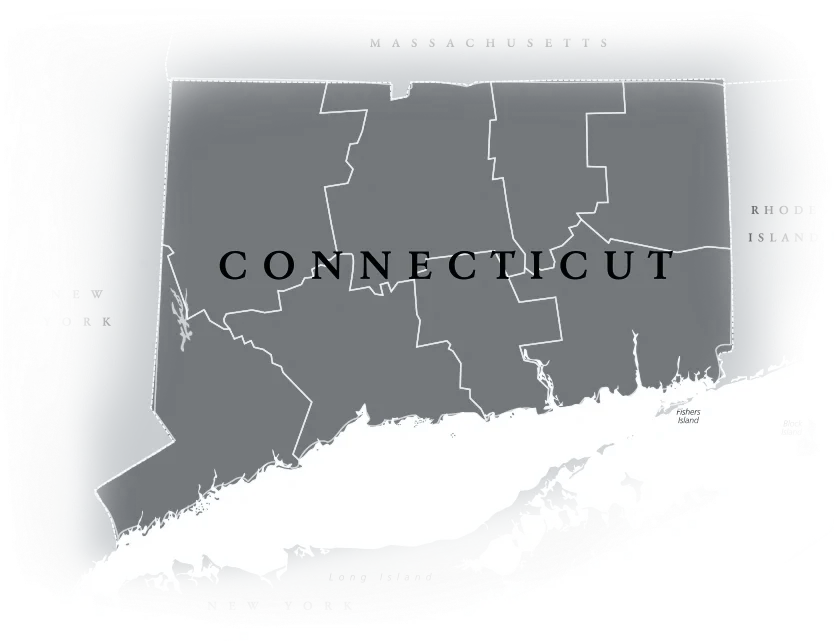
Serving All of Connecticut
Free Evaluation 24/7
We understand the stress of dealing with an injury. Our team is here to provide compassionate support and effective legal representation, statewide.
Request Your Confidential & Free Case Review
Fields Marked With An ”*” Are Required

© Copyright 2026 Buckley Wynne & Parese. All Rights Reserved.
*Images are obtained under license from Canva and other third-party stock image providers, with attribution included where required.