Available 24/7 1-800-445-2278 OR TEXT 203-409-8319
Middletown Rideshare Accident Lawyer
The experienced Middletown Taxi and Ride Share accident attorneys at Buckley, Wynne & Parese, have a long and successful track record of helping injured victims and their families secure just compensation for all of their losses.
Rideshare Accident Lawyer in Middletown, CT

Many people turn to rideshares such as Uber and Lyft because they are convenient, often cheaper, and more readily available than a taxi. Despite the many benefits, ridesharing also comes with some risks. If you have been injured in a rideshare accident, you may need the help of a Middletown rideshare accident lawyer.
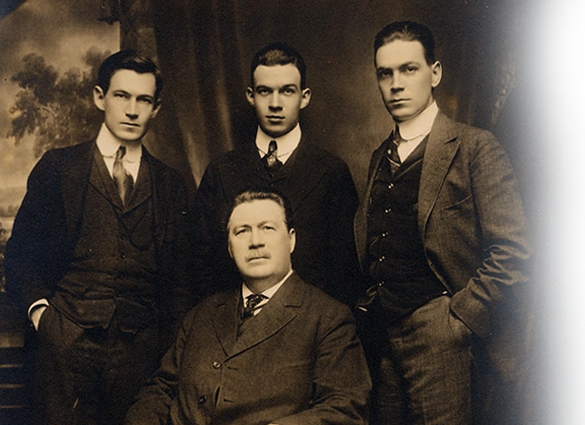
Just like when you are driving or riding in your own vehicle, there is always the risk of being involved in an accident. A Middletown personal injury lawyer may be able to help you get the compensation you deserve for your injuries. The team at Buckley Wynne & Parese has been fighting for clients’ rights in personal injury claims for over 140 years.
Common Causes of Rideshare Accidents
As with any vehicle collision, there are many causes of rideshare accidents. But, according to a report from the University of Chicago, since 2011, when app-based ridesharing services were introduced, traffic-related fatalities have increased by 3%. Some of the common causes of accidents involving Uber or Lyft drivers include:
- sp. Rideshare drivers often look at their phones, whether it’s for navigation directions or to accept their next ride.
- Failing to follow traffic laws.
- Driving while tired. Rideshare driving is a second job for many people. Their hours behind the wheel start after a full day at another job.
- Reckless driving. Speeding, tailgating, and other reckless actions cause many accidents.
- Disregarding traffic signals
- Driving under the influence
The urgency to accept ride requests can cause drivers to rush, leading to careless driving. Since the app uses a rating system, the need to maintain a high rating and complete more trips to make more money can also lead drivers to take unnecessary risks, increasing the likelihood of an accident.
What to Do After a Rideshare Accident?
If you are involved in a rideshare accident, the first thing you want to do is check for injuries and call emergency services. Move to a safe place if possible while you wait for help. After these initial steps, you should:
- Get medical attention. Even if you only have minor injuries, it’s important to document them in case they become more severe later on.
- Notify the rideshare company.
- Document the scene. Take pictures and videos of the area where the accident occurred. Include intersections, damages to the vehicles, and take pictures of your injuries.
- Request an accident report.
- Gather evidence. If possible, get statements from witnesses. Make sure to get their contact information.
- Notify your insurance company.
- Consult with a Middletown rideshare accident attorney
The statute of limitations to recover damages after you are injured in an accident is two years in Connecticut. Once the two years have passed, you may not have any legal grounds to file a suit. Hiring a personal injury attorney can help ensure you get the information you need within the correct timeframe, so no important deadlines are missed.
Common Injuries in Ridesharing Accidents
If you’re a passenger in a vehicle that’s involved in an accident, there are numerous injuries that you may suffer. Injuries can range from minor cuts and bruises to life-changing injuries. Some of the injuries that may occur in a rideshare accident may include:
- Whiplash
- Sprains
- Concussions
- Lacerations
- Internal organ damage
- Brain damage
- Neck injuries
If you have suffered an injury in a rideshare accident, you may be entitled to compensation.
How Rideshare Company Insurance Works
Determining who pays for damages in a rideshare accident in Connecticut takes some investigation. Since insurance companies will likely pay, you need to determine which insurance company provided coverage at the time of the accident. There are three scenarios in a rideshare accident that determine who pays damages.
- If the rideshare driver’s app is offline and they are not transporting any passengers, then the driver’s personal insurance company is responsible for paying damages.
- If the rideshare driver is available and waiting for a ride request, the rideshare company may provide some coverage. This is the case if the driver is logged into the app and available to give rides, even if they were not transporting a passenger.
- If the rideshare driver is transporting a passenger on their way to pick up a passenger, then the rideshare company’s insurance provides coverage.
Under Connecticut law, all drivers are required to maintain minimum liability insurance. State law also requires rideshare drivers, the rideshare company on the driver’s behalf, or a combination of the two, to maintain automobile liability insurance that recognizes the driver is performing commercial activities.
Insurance coverage for rideshare drivers can be complicated. It may be in your interest to hire a rideshare accident lawyer to help you work through the details and determine who is responsible.
Determining Liability in Connecticut Rideshare Accidents
Another component in a rideshare accident claim is determining liability. This can also become complicated due to the number of parties involved in a rideshare accident. The fact that Connecticut has a modified comparative negligence system adds another layer of complexity.
Comparative negligence allows an injured party to recover damages even if they are partially responsible for the injury. Under Connecticut’s modified comparative negligence system, if you are found to be 51% at fault, you cannot recover any damages. This modified system makes determining liability an important part of a rideshare accident claim. The parties that may be involved in a rideshare accident include:
- The Uber or Lyft driver
- Another driver
- A pedestrian
- The rideshare company
- The municipality responsible for maintaining the road
Proving Negligence
Once liability is determined, you need to prove negligence to recover damages. In Connecticut, four elements must be present to prove negligence. These are:
- Duty. Duty is an obligation to exercise reasonable care. For example, a rideshare driver has a duty to drive safely.
- Breach of duty. Breach of duty is an omission or an act that violates the duty of care.
- Causation. Causation is the connection between the breach of duty and your injury.
- Damages. Damages are the injury, loss, or harm you suffered due to the negligence.
An experienced attorney may be able to help you determine if you meet all the elements in your claim. The rideshare company may be held liable if it is determined that its negligent actions contributed to your injury and damages. They may be negligent if they hired a driver with multiple traffic citations or unsafe driving violations, or if they failed to warn passengers about a driver with such violations.

Hire a Rideshare Accident Lawyer
The days and weeks following a car accident can be overwhelming. You may be recovering from injuries and the trauma of the accident. A rideshare accident attorney can help you through the process of recovering damages. They can help you collect and organize evidence, collect your medical records and your medical bills, and work to establish liability.
An attorney can consult with expert witnesses, talk with eyewitnesses, and negotiate with the insurance company. An experienced attorney may also review the driver’s history to determine whether the rideshare company acted negligently by hiring them.
FAQs About Rideshare Accidents in Middletown, CT
How Long Does an Uber Accident Settlement Take?
The time it takes for an Uber accident settlement depends on the complexity of the case in Middletown, CT. The severity of the injuries, any liability disputes, and negotiations with insurance companies are all factors that could slow a case down. A case with minor injuries and a clear determination of fault will settle more quickly than a case with contested fault and liability.
How Much Compensation Can You Get for Anxiety After a Car Accident?
The compensation you can get for anxiety after a car accident varies depending on the severity of the anxiety, the cost of treatment, and the impact it has on your daily life. Compensation is often calculated based on several factors, including lost wages, pain and suffering, and therapy or medical costs.
Can You File a Claim Against Uber for an Accident?
In some cases, you can file a claim against Uber if you are injured in an accident, but it depends on the circumstances. In most cases, you may have to file a claim against the insurance company first, but there are other cases where the rideshare company could be liable. An attorney familiar with rideshare accident laws can help you determine if you have a case.
What Damages Can I Recover in a Rideshare Accident Claim?
The damages you can recover in a rideshare accident claim include economic damages, such as medical bills and lost wages, and non-economic damages, such as emotional distress and pain and suffering. Financial losses may also include property damage and other out-of-pocket expenses, such as travel costs for doctor’s appointments and medication costs.
Contact a Rideshare Accident Lawyer
If you or someone you love has been involved in a rideshare accident, you may need the help of an experienced attorney. Contact the legal team at Buckley Wynne & Parese, and we can review your case.
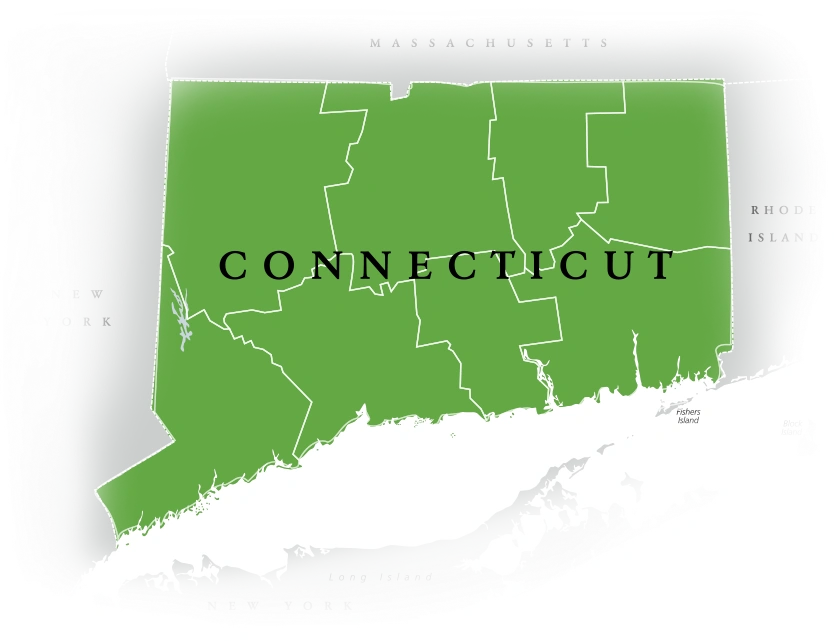
Serving All of Connecticut
Free Evaluation 24/7
We understand the stress of dealing with an injury. Our team is here to provide compassionate support and effective legal representation, statewide.
Request Your Confidential & Free Case Review
Fields Marked With An ”*” Are Required
Office Location
Stamford Office
263 Tresser Boulevard
9th Floor
Stamford, CT 06901
Phone 800-445-2278
© Copyright 2026 Buckley Wynne & Parese. All Rights Reserved.