Available 24/7 1-800-445-2278 OR TEXT 203-409-8319
Connecticut Workplace Accident Lawyer
If you have suffered an injury on the job or as a result of the errors, omissions of your employer, contact Buckley, Wynne & Parese.
Experienced Workplace Accident Attorney in Connecticut
When you go to work, you should be able to trust that you are being provided with a safe environment in which to perform your job. Unfortunately, that’s not always the case. Anyone from employers to third-party contractors can create dangerous work environments that lead to injuries or death. That’s where a Connecticut workplace accident lawyer comes in.
As an established and reputable personal injury law firm, BWP is dedicated to helping people who have been injured at work. A Connecticut personal injury lawyer from our team can represent you effectively in your pursuit of fair and full compensation.
In 2024, there were 5,070 workers killed in accidents in the workplace, 1,937 of them in transportation and highway accidents, 733 as a result of workplace violence, and 844 were due to falls.
If you have suffered an injury on the job or as a result of the errors or omissions of your employer, contact Buckley Wynne & Parese.
Work Related Injuries
Buckley Wynne & Parese is committed to providing victims and their loved ones with exceptional legal service. If you have been injured at work and you believe a third party is at fault, contact us immediately. We can help you find answers, seek justice, and get you back on your feet. A senior partner can meet you anywhere and at any time, whether it is a hospital, a home, a restaurant, or the office, for a free, confidential consultation.
Connecticut Workers’ Compensation
In accordance with the Workers’ Compensation Act, which was first enacted in 1913, employers in Connecticut must provide their employees who are injured at work with the appropriate benefits. It is a “no-fault insurance system” meaning the employee is entitled to these benefits regardless of who or what is to blame for their accident.
Workers’ Compensation Benefits Include:
- Medical Costs
- Disability Benefits
- Partial Compensation for Lost Wages
- Job Retraining
- Death Benefits for Family Members
You can view the State of Connecticut Workers’ Compensation Commission Information Packet online.
Statute of Limitations for Workers’ Compensation Claims
The statute of limitations for filing a workers’ compensation claim in the Constitution State is one year, while the deadline for filing a claim regarding an occupational illness is three years. You shouldn’t wait until this deadline is approaching to file your claim, though. You should alert your employer to the injury immediately and follow up with an official claim as quickly as possible.
How to File a Workers’ Compensation Claim in Connecticut
There are several steps to take if you become injured at work and need to file a claim. You should start by immediately reporting the injury to your employer, in writing if possible. Next, go to an approved doctor or a clinic chosen by your employer for prompt medical care. For emergencies, go to the nearest hospital and don’t worry about coverage. Your health and safety should be your top priorities.
Once you are medically stabilized, fill out Form 30C Notice of Claim. You will need to include details about the injury, the date on which it occurred, and your employer. The form must be submitted to your employer and the Connecticut Workers’ Compensation Commission within the statute of limitations. Make sure you keep copies of your paperwork and any receipts you receive for medical treatment.
Connecticut Workers’ Compensation Third-Party Responsibility
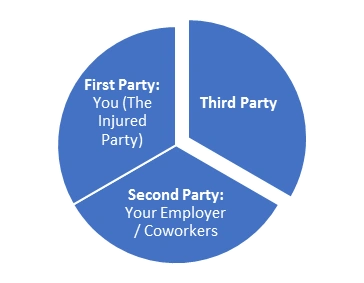
Due to the Workers’ Compensation Act, an employee is generally barred from taking legal action against their employer for on-the-job injuries. However, there are certain limited situations where a claim may be possible, and there are many situations where you can seek further compensation in addition to your workers’ compensation benefits. These circumstances arise when your injuries were a result of a third party’s intentional, negligent, and/or reckless conduct.
Third-Party Liability Examples
Employers aren’t the only ones who can be responsible for accidents that occur in the workplace. Other liable parties vary depending on the circumstances of the accident. These situations can include:
- Car accidents. You may have a third-party claim if you were hit by another vehicle while driving a company car or performing work-related tasks during work hours.
- Construction sites. Construction sites are often composed of people working from many different companies. As a result, most injuries arise out of another company’s negligence (i.e., safety violations, makeshift railings, exposed wiring, unstable scaffolding) and often result in third-party claims.
- Premises liability. Employees may be injured on the job on properties not owned by their employers, including accidents involving slip and falls on ice, defective sidewalks, roadways or stairwells, and dog bites.
If any of these situations apply, you may be able to recover additional compensation on top of your workers’ compensation benefits.
Additional Benefits of a Third-Party Claim Include:
- Future Lost Wages
- Pain and Suffering
- Mental anguish and distress
- Physical Limitations
- Loss of Enjoyment of Life’s Activities
- Inconvenience
Proving Negligence in a Third-Party Claim
To have an actionable claim of negligence against a third party, you must prove four things by a preponderance of evidence:
- Duty of care. You must show that the liable third party owed a duty of care to you as a worker. This could be the duty of care a property owner owes to visitors to keep the property in a state of good repair, or the duty of care a driver owes to others on the road to operate their vehicle safely.
- Breach of duty. You must prove that the third party breached their duty of care to you by acting in a certain way or failing to take essential actions to prevent an injury from occurring.
- Causation. You must show that the liable third party’s breach of duty directly led to the accident that caused your injuries. In some cases, causation can include injuries that were worsened as a result of a third party’s negligence, rather than caused by it. A defective airbag in a company car that did not go off during an accident would be one clear example.
- Damages. You must prove that you suffered compensable damages, including economic and non-economic harms.
Proving these elements of a negligence claim requires collecting significant evidence, including medical records, witness statements, photographs of the accident scene, and more. You can trust your attorney to help you gather the proof you need to make your case to the liable party’s insurance company during negotiations or in court.
Buckley Wynne Parese Wants to Help
Third-party claims involving workplace injuries are often contested, highly technical and vigorously defended. Disputed issues can include who was really at fault, contributory negligence, comparative fault and issues related to causation.
Buckley Wynne & Parese has the necessary knowledge and experience to guide you through the process and increase your recovery. Unlike the no-fault system of workers’ compensation, you must prove legal responsibility in third-party claims. Call us immediately before speaking with an insurance representative.
Why Hire a Workplace Accident Lawyer?
If your accident was caused by a third party’s negligence, you may be eligible to receive compensation beyond what is offered by workers’ compensation insurance. The most effective way to get fully compensated for your injuries is to hire a workplace accident lawyer to help you file your claim. Your Connecticut workplace accident attorney can:
- File paperwork and keep track of deadlines
- Gather evidence in support of your claim
- Interview witnesses to the workplace incident
- Determine who is liable for your injuries
- Negotiate a fair settlement with the liable party’s insurance company
- Litigate your case if it must go to trial for a resolution
Working with an attorney won’t just improve your odds of receiving fair compensation. It can also reduce your stress during this difficult time. Your attorney can handle all the details of your case so that you can focus on healing from your injuries.
FAQs
What Is the Most Common Injury in the Workplace?
Contact incidents are the most common injuries in the workplace, according to the National Safety Council. There were 499,270 incidents in 2023-2024, including struck-by accidents, machinery accidents, collapses, engulfments, and contact with other people or animals. Overexertion injuries were also common, with 492,140 cases reported. Slip-and-fall injuries accounted for 479,480 of the cases in those years.
How Much Compensation Can You Get for an Injury at Work?
How much compensation you can get for an injury at work varies depending on the circumstances of your case. In most cases, workers are only allowed to pursue compensation through the workers’ compensation insurance program, which pays for two-thirds of the injured worker’s lost wages and 100% of their medical bills. However, if you are eligible to file a third-party claim, you may be able to recover additional compensation.
What Are Five Rights an Employee Has Under OSHA?
Under OSHA, employees have the right to a safe workplace, to relevant information and training, to access their records, to file a complaint, and to speak out about their injuries without retaliation. If you believe that you are not being provided with these basic rights, you may want to contact the Occupational Health and Safety Administration directly or, if you were injured as a result, contact a lawyer regarding your workplace accident claim.
What Is Considered a Serious Workplace Injury?
A serious workplace injury is generally considered to be any incident that requires inpatient hospitalization. Serious injuries sometimes result in amputations, the loss of an eye, or permanent disfigurement. Common examples of serious workplace injuries include traumatic brain injuries, spinal cord damage, severe burns, major fractures involving the skull, spine, pelvis, or major limbs, and internal trauma.
Your Connecticut Workplace Accident Attorney
Buckley Wynne Parese endeavors to use our time and resources to help get you back on your feet. It is important that you contact us as soon as possible to schedule a free consultation. Many time limitations exist to successfully pursue these claims.
If you have suffered an injury on the job or as a result of the errors, omissions of your employer, contact Buckley, Wynne & Parese.
BWP’s workplace injury attorneys have been serving injured employees in Connecticut since 1881.
Construction Injury
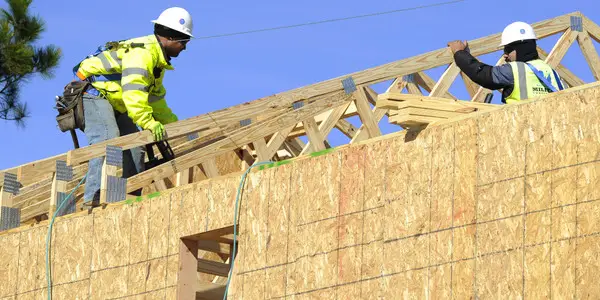
Unfortunately, construction accidents are a common occurrence in Connecticut. However, you can take legal action if you were injured on the job. You need a lawyer with the right knowledge and experience to navigate the complexities of construction law.
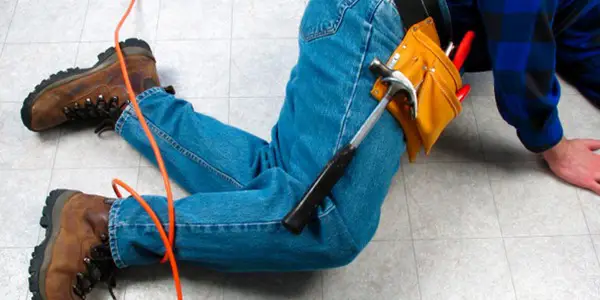
Work-Related Accidents
If you have suffered an injury on the job or as a result of the errors, omissions of your employer, contact Buckley, Wynne & Parese.
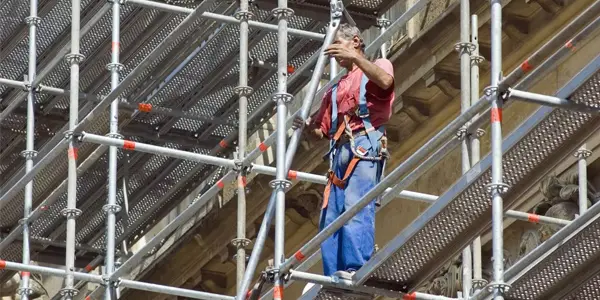
Scaffolding Accident Injury
Scaffolding accidents can be caused by defective scaffolding equipment, negligence, or property owners and employers who fail to provide safe conditions for workers.


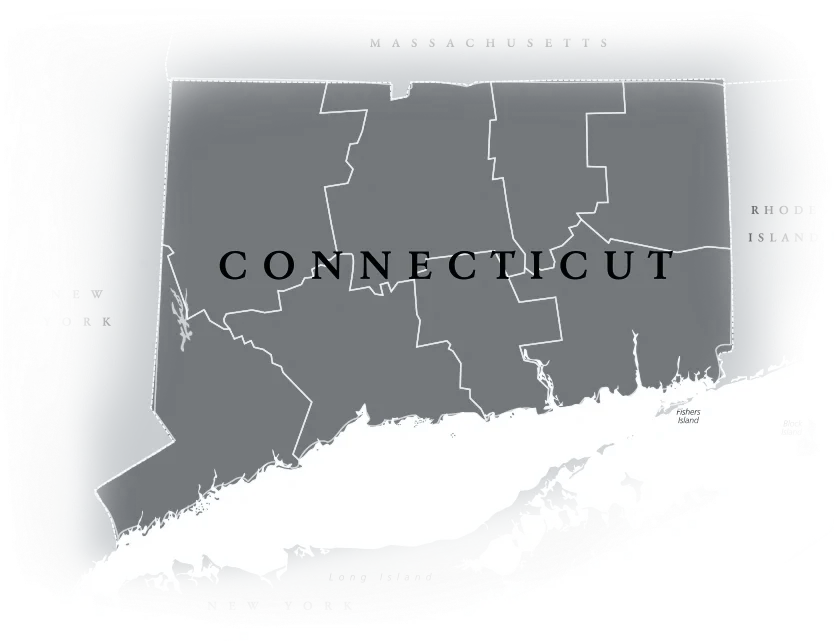
Serving All of Connecticut
Free Evaluation 24/7
We understand the stress of dealing with an injury. Our team is here to provide compassionate support and effective legal representation, statewide.
Request Your Confidential & Free Case Review
Fields Marked With An ”*” Are Required

© Copyright 2026 Buckley Wynne & Parese. All Rights Reserved.
*Images are obtained under license from Canva and other third-party stock image providers, with attribution included where required.