Available 24/7 1-800-445-2278 OR TEXT 203-409-8319
New Haven Premises Liability Lawyer
The Premise Liability Attorneys at Buckley Wynne & Parese have been helping people get their lives back after they have been injured as result of a premise liability accident in a business location, on a roadway, at a commercial establishment, or at home.
Premises Accidents Attorney in New Haven, CT

In Connecticut, owners of property have a legal obligation to make sure others are safe on their premises. A premises liability case arises when an owner fails to reasonably maintain their property, resulting in visitors being injured by safety hazards. If this happens to you or someone you love, a New Haven premises liability lawyer can help you navigate your case at every stage.
Hire a Premises Liability Lawyer From Buckley Wynne & Parese
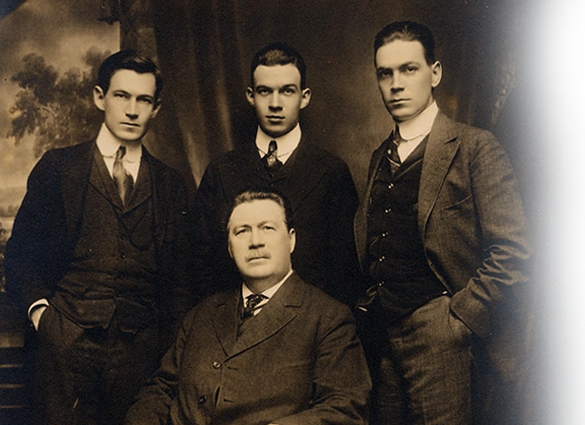
Dating back to 1881, our firm comes from a long lineage of attorneys dedicated to helping those who need it most. When you work with a New Haven premises liability lawyer from Buckley Wynne & Parese, you’ll be working with a professional who has years of experience in personal injury law. Our team is dedicated to pursuing the proper legal path for all our clients, even advocating for them in the Connecticut Supreme Court to seek justice.
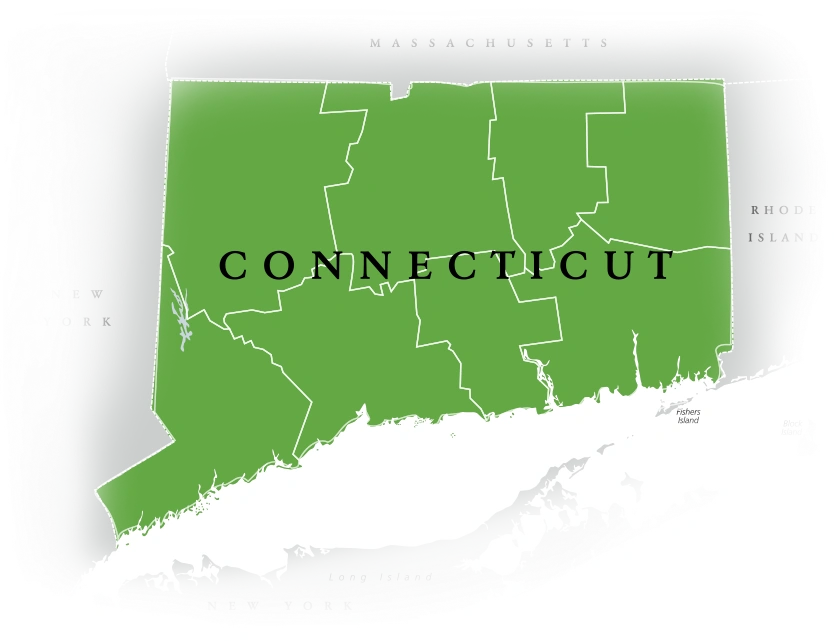
Our team understands how stressful a personal injury case can be. We take pride in being available to our clients at all hours of the day to answer any questions or concerns they may have. Our firm sees clients at our offices in New Haven, Hartford, and Stamford, but represents residents living throughout Connecticut.
Steps to Take After Being in a Premises Liability Incident
After being involved in a premises liability accident, there are several key steps to take so you can protect your physical health and legal rights. You’ll want to:
-
- Call 911 to report the incident to the New Haven Police Department.During the call, request medical attention, even if you feel okay. Having your physical state on official documents is crucial in pursuing compensation later on. Be sure to request copies of the incident report. Seek medical attention at the Yale New Haven Hospital if injuries are severe.
- Collect the contact and insurance information of the other party involved in the incident.This can vary, depending on the type of incident. For example, if the at-fault party is the owner of a boutique, but isn’t present at the time of the incident, you’ll want to gather the information from any nearby employees. You may be able to gather this information directly from the responsible party, or even look them up online later on if possible.
If the responsible party refuses to give you their information, it’s vital to stay calm and collected. Arguing will only escalate things and may make them reluctant to cooperate during future legal proceedings. Wait for the police to arrive at the incident site and explain things to them. They can gather the information on your behalf.
- Collect the contact information, such as email and phone number, of anyone nearby who witnessed the incident.During this time, you’ll want to avoid apologizing or admitting fault in the incident, as it can have adverse effects on your future legal case.
- Take extensive photos of the incident site and hazard.This may include photos of a dog that attacked you, the patch of ice you fell on, spilled drinks that you slipped in, broken property that caused you to fall, toxic substances that made you ill, a lack of caution signs, or the object that fell and hit you.
Showing the court the extent of the hazard can provide great clarity in your case, aiding your side of the story. Take photos of your visible injuries, as well as photos of any damage caused to your personal belongings.
- Hire a premises liability lawyer to help you gather evidence and file your claim.Victims of personal injury incidents in Connecticut typically have two years from the date of the incident to file their claim, or two years from when they first realized they were injured, whichever date is later.
For example, if you were exposed to black mold but didn’t realize you were injured until months after the initial exposure, the clock would start then. However, there is a strict three-year deadline for filing in Connecticut. This means that if you didn’t discover your injuries until after three years, you won’t be able to file a claim.
Connecticut Premises Liability Laws and How Courts Determine Fault
For those injured in New Haven, the Connecticut Superior Court, located at 235 Church Street, typically oversees these cases. During your case, the court will assign everyone involved a percentage of fault. They do this to determine how much compensation to award the victim and who will pay it.
Any compensation awarded to the victim will be reduced by their percentage of fault, and they won’t be able to recover any compensation if they’re found to be over 50% at fault for the incident. For example:
- If you were running in a restaurant when you slipped on a spilled drink and became injured, you may be assigned 30% at fault.
- If the owner of the restaurant pressured employees to avoid cleaning up hazards in order to meet their work quota, the owner may be assigned 70% at fault.
- If you were awarded $100,000, it would be reduced by 30%, making your final compensation $70,000.
To prove fault, you’ll want to gather as much evidence as possible, as courts rely on the evidence provided to make their final decision.
Evidence to Collect for Your Premises Liability Case
In 2023, there were 26.2 million trips to the emergency room throughout the United States due to an unintentional injury. That same year, it was reported that 21% of all preventable injury-related deaths in the United States were due to a fall. Depending on the type of injury and hazard you experienced on the property, evidence may vary. Your attorney can help explain what to gather and assist in preserving:
- Video surveillance. Footage of the incident from nearby surveillance and security cameras will need to be collected as soon as possible, as security cameras often tape over footage after a short period.
- Copies of important records. Medical records, police reports, and 911 call transcripts are critical in establishing authoritative testimony.
- Witness testimony. Your attorney will need to follow up with anyone who witnessed the incident quickly, since memories of events can shift and fade soon afterwards.
- Professional corroboration. Testimony from professionals about what they believe caused the incident and your injuries, such as from accident reconstruction professionals who use photos of the site and mathematical calculations to determine the cause of the incident, can be crucial in showing the courts what really occurred.
- Documentation of losses. Copies of your medical records and medical bills demonstrate proof of physical and financial losses, such as the income you’ve missed as a result of your injuries. Proof of emotional losses, such as a doctor’s note from your therapist about your mental status since the incident occurred, can also help reveal the scope of your case.
FAQs
What Damages Are Available in a Connecticut Premises Liability Claim?
Economic and non-economic damages are available in a Connecticut premises liability claim. Economic damages are easier to calculate, as they’re based on financial losses, including lost income, damages to your personal belongings, and the extent of your medical bills.
Non-economic damages can be trickier to calculate, as they’re based on non-financial losses such as pain and suffering, loss of enjoyment of life, disability, and disfigurement. Together, these losses are meant to help victims recover their losses and move forward.
What Are Punitive Damages in a Premises Liability Case?
Depending on what happened during your premises liability incident, the court may award punitive damages. These damages are awarded when the wrongdoer acted with extreme malice or negligence. For instance, if the owner of a grocery store knowingly denied employees safety training, the owner may have to pay you punitive damages if you slipped and fell in an aisle. These damages were designed to act as punishment to the wrongdoer and deter similar behavior from happening again in the future.
What Common Injuries Are Caused by Premises Liability?
Common injuries caused by premises liability include traumatic brain injuries caused by falls or falling objects. In 2023, in Connecticut, 14,766 trips to the emergency room were due to a head injury caused by a hazard-induced fall. Other injuries can include broken bones and fractures, internal bleeding, bruises, cuts and lacerations, spinal cord damage, burns from fire and electrical hazards, and infections, diseases, and illnesses caused by toxic chemical exposure, such as black mold or lead paint.
How Are Negligent Security Claims Handled in Connecticut?
Negligent security claims in Connecticut are handled similarly to other types of premises liability claims. These cases occur when an owner fails to implement property security measures, resulting in visitors to the property becoming victims of crime. For example, if the owner of a parking lot is aware of increased nearby crimes but fails to install security cameras, the victim of a mugging on their property can pursue a legal claim against the owner of the lot.
Contact a New Haven Premises Liability Attorney to Help You
Contact Buckley Wynne & Parese today to learn how our skilled attorneys can help you during this difficult time. Our lawyer operates on a contingency fee basis. This means that we don’t allow clients to pay us unless we’ve secured compensation for them. If successful, our attorneys would then accept a percentage of the settlement award.

Serving All of Connecticut
Free Evaluation 24/7
We understand the stress of dealing with an injury. Our team is here to provide compassionate support and effective legal representation, statewide.
Request Your Confidential & Free Case Review
Fields Marked With An ”*” Are Required
Office Location
Stamford Office
263 Tresser Boulevard
9th Floor
Stamford, CT 06901
Phone 800-445-2278
© Copyright 2026 Buckley Wynne & Parese. All Rights Reserved.