
Available 24/7 1-800-445-2278 OR TEXT 203-409-8319
Hartford Catastrophic Injury Lawyer
A Catastrophic Injury Attorney Who Fights for Fair Compensation
A catastrophic injury is not defined by how the accident happened. It is defined by how permanently it changes a person’s body, mind, or ability to work. A spinal cord injury, a severe brain injury, an amputation, or severe burns can qualify, whether the cause was a car crash, a fall, or a defective product.
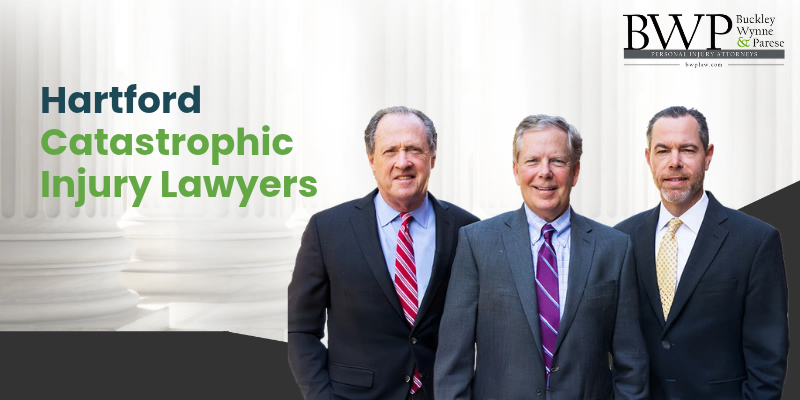
At Buckley Wynne & Parese, John F. Wynne, Jr. is a Hartford catastrophic injury lawyer who has practiced law in Connecticut since 1984. His law and business degrees, both earned with highest honors from the University of Connecticut, help him translate future medical costs into numbers a jury can follow.
Contact us to talk through what happened and what your options look like.
Hartford Cases Our Catastrophic Injury Lawyers Handle
Catastrophic injuries come from many kinds of accidents, but the legal and medical picture looks similar once the harm is permanent. Our Hartford attorneys work with clients across a range of injury types, including:
- Spinal cord injuries that cause partial or complete paralysis
- Traumatic brain injuries that affect memory, speech, or motor function
- Amputations and the permanent loss of limb function
- Severe burns that require repeated reconstructive surgery
- Multiple fractures with lasting mobility loss
- Wrongful death resulting from a catastrophic injury
Each of these cases needs detailed medical records, life-care planning, and testimony that goes beyond what a routine injury claim requires.
What a Catastrophic Injury Claim Can Mean for Your Family’s Future?
How do you put a number on a lifetime of care? That is the real question in a catastrophic injury claim. Medical bills, lost income, home modifications, and ongoing therapy can add up to far more than a typical injury case, often stretching decades into the future.
Connecticut also limits how long you have to act. Under Connecticut General Statutes Section 52-584, most negligence-based injury claims must be filed within two years of the date the injury happened or was discovered. No claim may be filed later than three years after the act that caused it.
Missing that window can end a claim completely, no matter how severe the injury turned out to be.
How a Catastrophic Injury Lawyer at Buckley Wynne & Parese Builds Your Hartford Accident Case
A catastrophic injury claim takes far more than a hospital bill and an accident report in Hartford, CT. A strong case has to prove who is at fault and show the true long-term cost of the harm.
We start by securing evidence before it disappears. That means police reports, surveillance footage, witness statements, and physical evidence from the scene.
Next, we build the full picture of your future. We work with medical specialists, vocational experts, and life-care planners to document your diagnosis, map out the treatment you’ll need for decades, and project both long-term medical costs and lost earning capacity.
Then we address liability under Connecticut law. Under Connecticut General Statutes Section 52-572h, you can recover damages as long as your share of fault is 50% or less, though your award is reduced by your percentage of responsibility. Insurance companies often try to shift blame onto injured people to shrink what they pay, and we’re prepared to push back.
Attorney John F. Buckley, Jr. has practiced law in Connecticut since 1984 and serves on the Board of Governors of the Connecticut Trial Lawyers Association. He uses this comprehensive approach to counter insurer tactics and position your case for strong settlement negotiations or trial.
Catastrophic Injury Results Buckley Wynne & Parese Has Secured
Buckley Wynne & Parese has recovered significant compensation in catastrophic injury cases across Connecticut. These results include:
- $9,000,000 settlement for a spinal cord injury with paraplegia from a construction incident
- $8,500,000 settlement for a brain injury with paraplegia suffered during a commercial inspection
- $6,400,000 verdict for a pole vaulter who suffered a spinal cord injury with paralysis
- $900,000 settlement in a premises liability case involving an amputation
Prior results do not guarantee a similar outcome in any future case.
Frequently Asked Questions
Do I need to hire a lawyer right away after a catastrophic injury in Hartford?
You do not have to decide the day of the accident, but early action helps. Evidence like security video and witness memory can fade fast, and insurance adjusters often start building a defense within days. Meeting with a lawyer early does not commit you to a lawsuit.
What makes an injury “catastrophic” instead of just serious in Connecticut?
Connecticut has no single statute that defines the term. In practice, it describes injuries that cause permanent impairment or require a lifetime of care. Examples include a severe brain injury, paralysis from a spinal cord injury, or the loss of a limb. The label is less a legal category and more a measure of how much the injury will cost to live with going forward.
How much does it cost to hire a Hartford catastrophic injury lawyer?
Buckley Wynne & Parese offers a free consultation, so you can talk through what happened before deciding anything. Fee arrangements vary by case, and an attorney can walk through the options once they understand what you are dealing with.
Where does Hartford send the most severe trauma patients?
Hartford Hospital operates an American College of Surgeons verified Level I Trauma Center for adult patients in Northern Connecticut. The hospital’s trauma records, imaging, and specialist notes from the first hours after an accident often carry real weight later in proving how severe an injury actually was.
Will a catastrophic injury lawsuit in Hartford go to trial?
Most catastrophic injury claims settle before trial, since both sides face real costs and risk in front of a jury. A smaller number go all the way to trial when a fair settlement is not on the table.
Can I still file a claim if the at-fault party has limited insurance?
Connecticut does not require every driver or property owner to carry high policy limits, so a catastrophic injury can sometimes exceed what the at-fault party’s insurance will pay. Depending on your own policy, underinsured motorist coverage may be able to make up part of that gap.
What if my child suffered a catastrophic injury in Hartford?
Connecticut generally pauses many filing deadlines while an injured person is a minor, though the specific rules depend on the type of claim and the child’s age. A parent or guardian can still pursue a claim for medical costs and other losses right away, without waiting on that question to be resolved.
What Comes Next After You Contact a Hartford Catastrophic Injury Lawyer
A catastrophic injury changes the practical details of daily life long after the medical crisis passes. The financial side of that change can include future surgeries and a home that may need to be rebuilt around a wheelchair. These costs deserve a careful look before you settle anything with an insurance company.
The team at Buckley Wynne & Parese can walk through what a fair claim accounts for in a situation like yours. Contact us today to talk through what happened and what a fair claim might look like for your case.


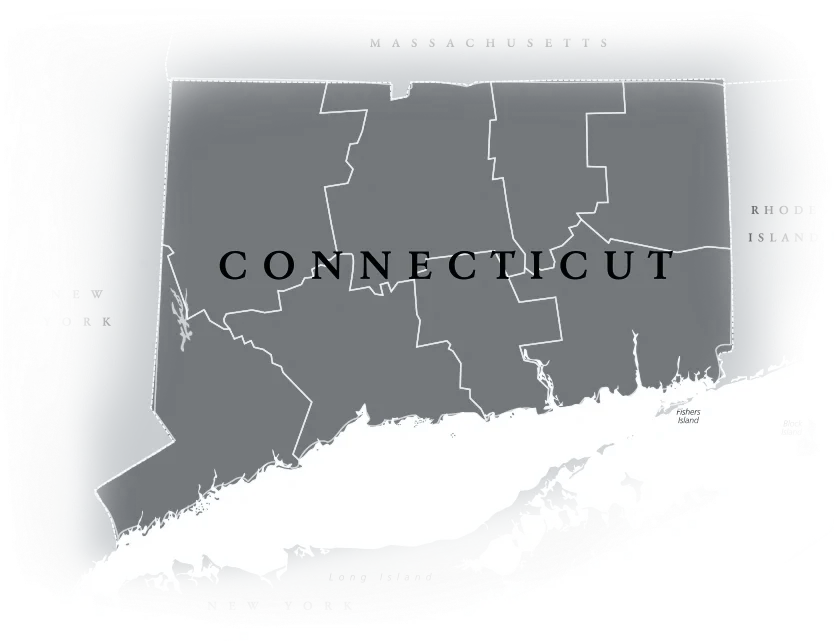
Serving All of Connecticut
Free Evaluation 24/7
We understand the stress of dealing with an injury. Our team is here to provide compassionate support and effective legal representation, statewide.
Request Your Confidential & Free Case Review
Fields Marked With An ”*” Are Required

© Copyright 2026 Buckley Wynne & Parese. All Rights Reserved.
*Images are obtained under license from Canva and other third-party stock image providers, with attribution included where required.